 Save to Pinterest
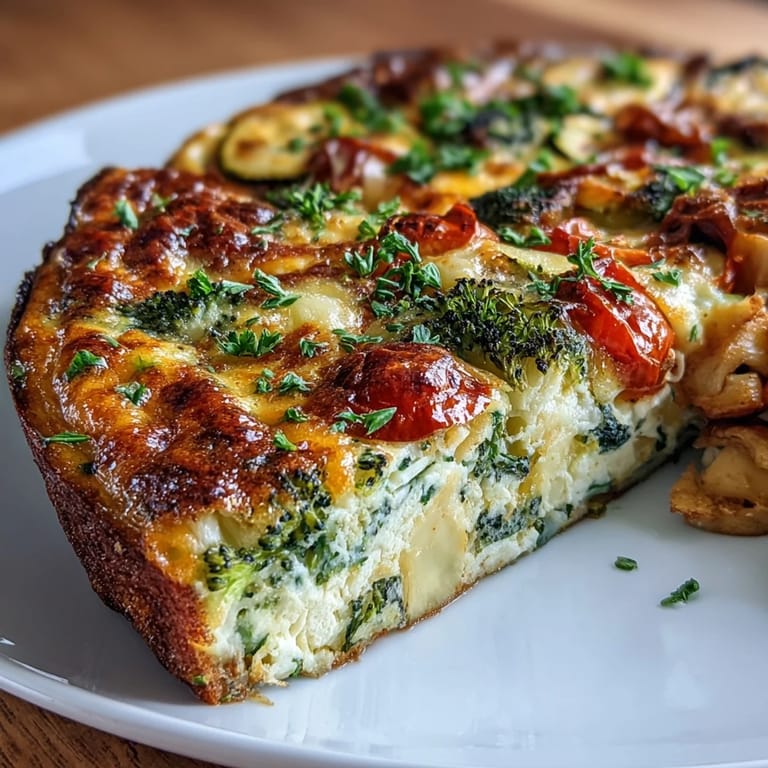
 My kitchen smelled like caramelized onions and fresh basil the afternoon I stumbled onto this frittata while experimenting with what was left in my vegetable drawer. I'd been avoiding eggs for weeks, convinced they were boring, until a friend casually mentioned she'd been making these on Sunday mornings and inviting people over without breaking a sweat. Something clicked that day—the way the cheese melted into the eggs, how the vegetables turned sweet and tender in that hot skillet before everything moved to the oven. Now it's my go-to move when I want something that feels restaurant-quality but takes barely forty minutes.
I made this for my partner's family brunch last spring, when everyone was tired of scrambled eggs and mimosas felt too celebratory for 11 AM. The frittata came out of the oven with this gorgeous golden top, and I remember the kitchen going quiet for a second—that satisfied kind of quiet where people are already mentally claiming their slice. It became the thing someone asks for every time we gather now, which feels like a small victory for a dish that barely requires attention once the vegetables hit the pan.
Ingredients
- Broccoli florets: Chop them small so they soften evenly and tuck into every bite—large pieces never cook through in time.
- Red bell pepper: The sweetness balances everything, and the color makes the finished frittata look alive.
- Zucchini: Slice it thin and don't worry if some pieces almost dissolve; that moisture is actually helping keep everything tender.
- Cherry tomatoes: Halve them fresh rather than using canned, unless you're in a pinch—they burst slightly in the heat and add brightness.
- Red onion: Thin slices turn almost jammy during the sauté, adding a subtle sweetness that grounds the whole dish.
- Large eggs: Room temperature eggs beat better and cook more evenly, so pull them out before you start cooking.
- Whole milk: Use regular milk here—it adds richness without overwhelming the eggs, and it helps the frittata set gently instead of becoming rubbery.
- Shredded cheddar cheese: It melts beautifully and tastes friendly, though feta brings a salty tang and goat cheese adds earthiness if you want to experiment.
- Fresh parsley: Chopped and stirred in at the end keeps its brightness; dried parsley works but add it earlier so the flavor can develop.
- Olive oil: Good quality makes a difference in how the vegetables soften and whether the bottom crisps up nicely.
Tired of Takeout? 🥡
Get 10 meals you can make faster than delivery arrives. Seriously.
One email. No spam. Unsubscribe anytime.
Instructions
- Get your oven ready:
- Preheat to 375°F so the temperature is steady when your frittata goes in—no guessing or waiting around.
- Sauté the sturdy vegetables:
- Heat olive oil in your oven-safe skillet over medium heat and add the broccoli, bell pepper, zucchini, and red onion. You'll notice the vegetables start releasing their moisture and the kitchen fills with this warm, vegetal smell after about 4 to 5 minutes—that's when they're softened but still have a tiny bit of texture.
- Finish with the delicate pieces:
- Stir in the halved cherry tomatoes and let them warm through for just a minute, which keeps them from turning into mush in the oven.
- Build your egg mixture:
- In a separate bowl, whisk together the eggs, milk, salt, pepper, oregano, and parsley until everything is pale and well combined—this takes about a minute of steady whisking.
- Combine eggs and vegetables:
- Pour the egg mixture evenly over the sautéed vegetables, then sprinkle the cheese across the top so it distributes evenly and you don't end up with all the cheese in one corner.
- Start on the stovetop:
- Let the whole thing cook on medium heat for 2 to 3 minutes—the edges will start to set and pull away slightly from the pan, which is your signal that it's ready to move to the oven.
- Finish in the oven:
- Transfer the skillet to the preheated oven and bake for 15 to 18 minutes, until the center barely jiggles when you gently shake the pan and the top is light golden. It's better slightly underbaked than overdone because carryover heat keeps cooking it as it cools.
- Rest and serve:
- Let the frittata sit for 5 minutes before slicing—this gives the eggs time to firm up just enough to hold their shape. It's delicious warm, room temperature, or even straight from the fridge the next morning.
 Save to Pinterest
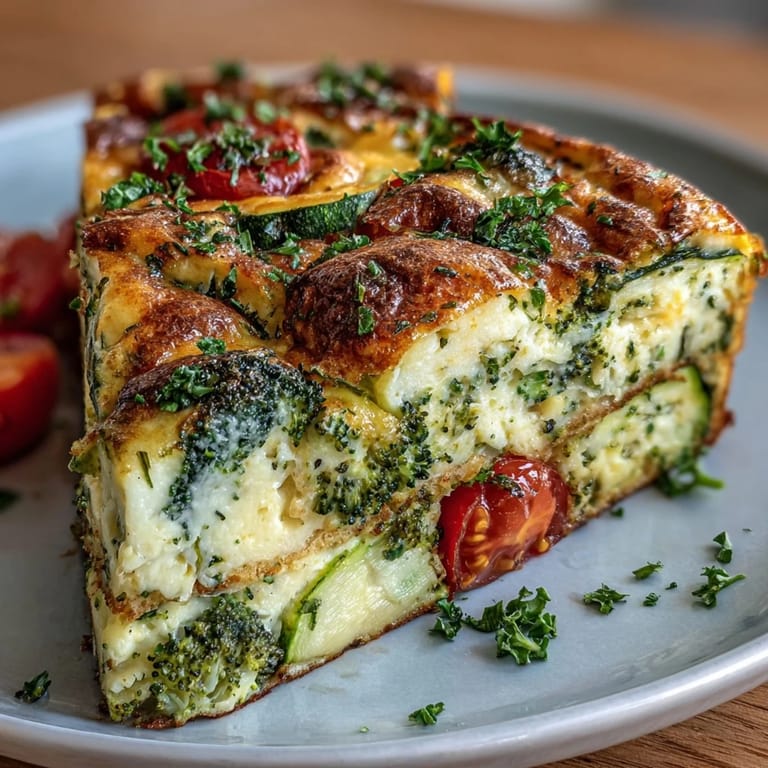
 There's something deeply satisfying about watching someone cut into this frittata and discover how many vegetables are hiding inside, especially if they're the type who usually pushes greens to the side. It shifted how I think about breakfast, turning it from something quick and forgettable into a reason to actually set a table and invite someone to sit for a bit.
Variations Worth Trying
I've learned that frittatas are forgiving enough to accommodate whatever you find in your vegetable crisper on any given week. Spinach wilts down beautifully if you add it at the very end, mushrooms become almost creamy when they sauté long enough, and asparagus brings a subtle grassy note that pairs perfectly with goat cheese. The only rule I follow is balancing volume—stick to about 3 cups of chopped vegetables total, or the frittata stays too wet and never sets properly in the middle.
Making It Work for Your Dietary Needs
The beauty of this dish is that it bends easily to accommodate different diets without tasting like you've made sacrifices. Plant-based milk swaps in seamlessly without changing the texture, and vegan cheese has come a long way if you're avoiding dairy—I've been genuinely impressed with some of the newer brands. For gluten-free living, this is already naturally suited to you, though serving it with crusty bread means checking that your bread is certified gluten-free or just pairing it with a simple green salad instead.
Timing and Storage Tips
One of my favorite things about this frittata is that it actually improves slightly when you make it ahead, which sounds backwards but somehow true. The vegetables meld with the eggs overnight, and the flavors become more integrated and rounded, so don't hesitate to bake it the morning before you need it.
- Store leftover frittata in an airtight container in the refrigerator for up to 4 days, and reheat gently in a 300°F oven for about 8 minutes if you want it warm.
- You can freeze wedges for up to 2 months wrapped individually in foil, then thaw overnight in the fridge and eat cold or reheated.
- If you're meal prepping for the week, slice it into portions right after it cools completely so grabbing breakfast becomes mindless.
 Save to Pinterest
 This frittata has become the dish I make when I want to feel like I'm caring for people through food, which is really the whole point of cooking anything. It's humble enough to be everyday but special enough to feel intentional, and that's a balance worth chasing.
Recipe FAQs
- → What vegetables work best in frittata?
Broccoli, bell peppers, zucchini, cherry tomatoes, and onions are excellent choices. You can also use spinach, mushrooms, or asparagus based on seasonality.
- → How do I know when the frittata is done?
The edges should be set and slightly golden, while the center feels firm to the touch but still moist. A knife inserted in the middle should come out clean.
- → Can I make this dairy-free?
Yes. Use plant-based milk like almond or oat milk, and either omit the cheese or use a vegan cheese alternative. The texture remains delicious.
- → What should I serve with frittata?
A crisp green salad with vinaigrette balances the richness perfectly. Crusty bread, roasted potatoes, or fresh fruit also make excellent sides.
- → How long does frittata keep in the refrigerator?
Store in an airtight container for up to 4 days. It reheats beautifully in the microwave or can be enjoyed cold or at room temperature.