 Save to Pinterest
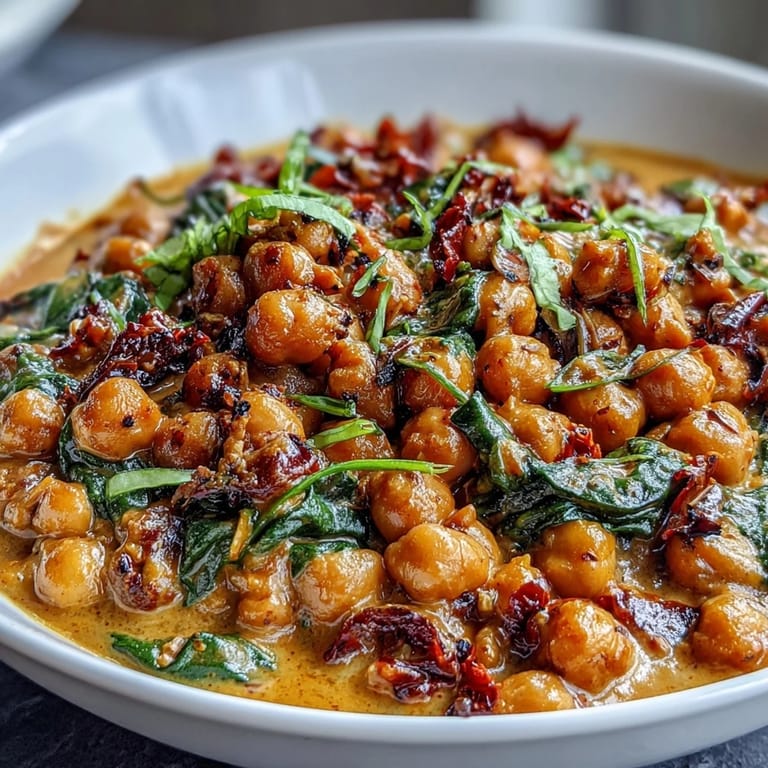
 There's something about the moment when raw spices hit hot oil that stops you in your tracks—suddenly your kitchen smells like somewhere else entirely, somewhere warm and welcoming. I discovered this chickpea curry on a gray Tuesday when I was tired of the same rotation and wanted something that felt both comforting and a little bit adventurous. What started as a quick weeknight experiment became the dish I now make whenever I need to feed people without fuss, or when I'm cooking just for myself and want to feel nourished. The beauty of it is how humble ingredients transform into something that tastes like it took hours, when really you're done before dinner time even feels rushed.
I made this for my friend Maya on a night when she mentioned being overwhelmed, and watching her face when she tasted it—when that first spoonful hit and she just sort of closed her eyes—that's when I realized this recipe was about more than nutrition. She asked for the recipe before she'd finished the bowl, and now she texts me photos of her versions with extra vegetables thrown in. Cooking for people and having them understand what you were trying to do, that's the real win.
Ingredients
- Vegetable oil: Use something neutral that won't overpower the spices—I learned this the hard way when I grabbed a strong sesame oil once and it competed with everything else.
- Onion and garlic: The foundation of flavor, and finely dicing the onion matters because it dissolves into the sauce rather than leaving chunks.
- Ginger: Fresh ginger grated directly in makes all the difference—the bottled stuff just doesn't have the same brightness.
- Ground cumin: Earthy and warming, this is what makes it feel authentically curry-like.
- Ground coriander: Adds a subtle citrus note that balances the richness of the coconut milk.
- Ground turmeric: The golden color and the health benefits, but use it in the right amount or it can taste medicinal.
- Garam masala: This blend is where the complexity lives, so don't skip it or substitute.
- Chili powder: Start with half a teaspoon and taste as you go—heat tolerance varies wildly from kitchen to kitchen.
- Paprika: Just a whisper of it for depth and a gentle warmth.
- Chickpeas: Drain and rinse them well, which removes the starchy liquid and makes them cook more evenly in the sauce.
- Coconut milk: Full-fat is non-negotiable here—the light version will give you a thin, sad curry that tastes more like regret.
- Diced tomatoes: Canned is perfectly fine and often fresher tasting than fresh tomatoes trying too hard to be seasonal.
- Vegetable broth or water: This adjusts the consistency, so add less if you like it thick and creamy, more if you prefer something you can almost drink.
- Baby spinach: Optional but it adds a mineral quality and turns the whole thing into a more complete meal.
- Lime juice: The final bright note that makes everything taste sharper and more alive.
Tired of Takeout? 🥡
Get 10 meals you can make faster than delivery arrives. Seriously.
One email. No spam. Unsubscribe anytime.
Instructions
- Heat your oil and soften the onion:
- Pour the oil into a large skillet over medium heat and watch it shimmer slightly before adding the diced onion. Sauté for four to five minutes, stirring occasionally, until the pieces turn translucent and soft—you'll know it's right when the raw bite is completely gone.
- Add garlic and ginger:
- Once the onion is ready, stir in the minced garlic and grated ginger and let them cook together for about a minute. The smell that rises up at this point is when you know you're on the right track.
- Toast your spices:
- Add all the spices at once—cumin, coriander, turmeric, garam masala, chili powder, paprika, salt, and pepper—and stir constantly for one full minute. This step blooms the spices and releases their essential oils, which is why the aroma gets so intense it almost fills the room.
- Combine everything:
- Pour in the drained chickpeas, the canned tomatoes with their juices, the full-fat coconut milk, and your vegetable broth or water. Stir everything together until there are no dry spice pockets hiding at the bottom.
- Simmer gently:
- Bring the mixture to a gentle simmer, then cover the pan and let it cook for fifteen minutes, stirring occasionally so nothing sticks to the bottom. The curry will deepen in color and become more cohesive as it sits.
- Add spinach if using:
- Uncover the pan and stir in the baby spinach if you're using it, then simmer uncovered for two to three minutes until the leaves are completely wilted and tender.
- Finish with lime and taste:
- Stir in the lime juice and take a proper taste—this is when you adjust the seasoning, adding more salt or chili powder or whatever you think it needs. Trust yourself here because you know your own preferences better than any recipe ever could.
- Serve:
- Ladle the curry into bowls and top with chopped fresh cilantro and a lime wedge on the side. Serve with rice or naan and maybe a cold glass of something refreshing.
 Save to Pinterest
 The first time someone I barely knew came to my place for dinner and asked for seconds of this curry, I realized that good food is a kind of permission—permission to take time, to care about flavor, to nourish yourself and others without apology. That moment shifted something in how I think about cooking.
Thickness and Consistency
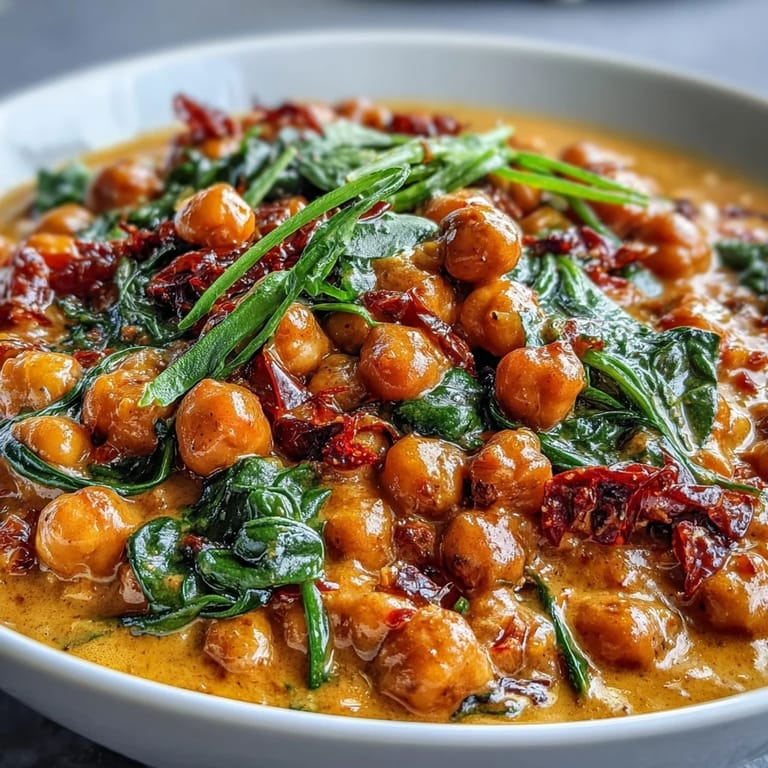
I've learned that curry consistency is deeply personal and changes based on what you're serving it with. If you want it thick and clinging to the rice, simmer uncovered for the last five minutes and watch it reduce—I like to leave the spoon in and see it slowly drip back into the pot. For something soupier that you can almost drink, add an extra half cup of broth and keep the lid on the whole time. There's no wrong answer, just different moods you're trying to create.
Building Your Own Version
Once you've made this a few times, it becomes a template rather than a strict recipe, which is when cooking gets fun. Sweet potato adds earthiness and sweetness, bell peppers add crunch and color, and I've even thrown in mushrooms when I had them sitting around. The spice balance stays the same, but the vegetables change based on season and what's in the fridge, so no two batches are identical.
Serving and Pairing
This curry pairs beautifully with steamed basmati rice, brown rice if you want something nuttier, or gluten-free flatbread if that matters for your table. I've also served it over cauliflower rice for friends counting carbs, and honestly it works just as well. The real magic happens when everyone builds their own bowl with the toppings they love and the amount of sauce they prefer.
- A cool yogurt sauce or raita on the side balances the warmth of the spices, and it only takes five minutes to make with yogurt, cucumber, and a pinch of salt.
- Toast some naan or flatbread lightly in a dry pan before serving so it has a little char and warmth to it.
- Make extra curry because it reheats beautifully and tastes even better the next day when the flavors have had time to settle and deepen.
 Save to Pinterest
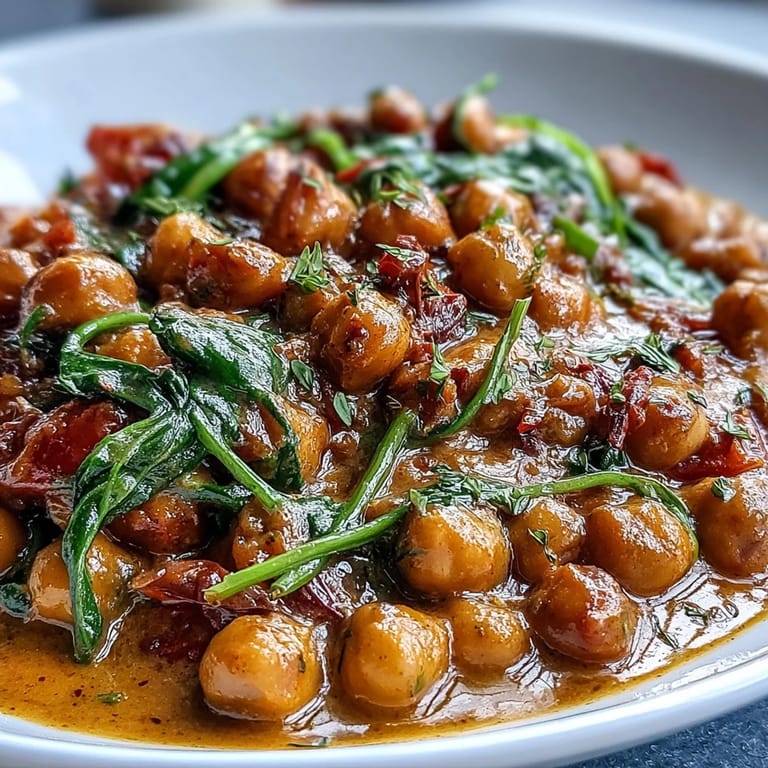
 This curry has become the dish I make when I want to prove to myself and others that simple ingredients and some basic technique can create something that feels effortless and nourishing all at once. Make it for someone you care about and watch what happens.
Recipe FAQs
- → How can I make this curry thicker?
Simmer uncovered for the last 5-10 minutes to reduce the liquid. You can also mash some chickpeas against the side of the pan to naturally thicken the sauce.
- → What vegetables can I add?
Diced sweet potato, bell peppers, cauliflower, or green beans work beautifully. Add hearty vegetables like sweet potato during the simmering stage, while quick-cooking vegetables like spinach go in during the last few minutes.
- → How do I adjust the spice level?
Start with less chili powder and add gradually to taste. For milder flavor, omit the chili powder entirely. For more heat, add fresh minced ginger, crushed red pepper flakes, or diced jalapeño along with the aromatics.
- → Can I use dried chickpeas instead of canned?
Yes, soak and cook 1 cup dried chickpeas until tender before adding them in step 4. You may need slightly less broth since dried chickpeas don't contain canned liquid.
- → What should I serve with this curry?
Steamed basmati rice, warm naan, roti, or gluten-free flatbread are traditional accompaniments. The creamy sauce also pairs well with quinoa or over roasted cauliflower rice for a lighter option.
- → How long does this keep in the refrigerator?
Store in an airtight container for up to 4 days. The flavors actually develop and deepen overnight. Reheat gently on the stovetop, adding a splash of water or broth if the sauce has thickened too much.