 Save to Pinterest
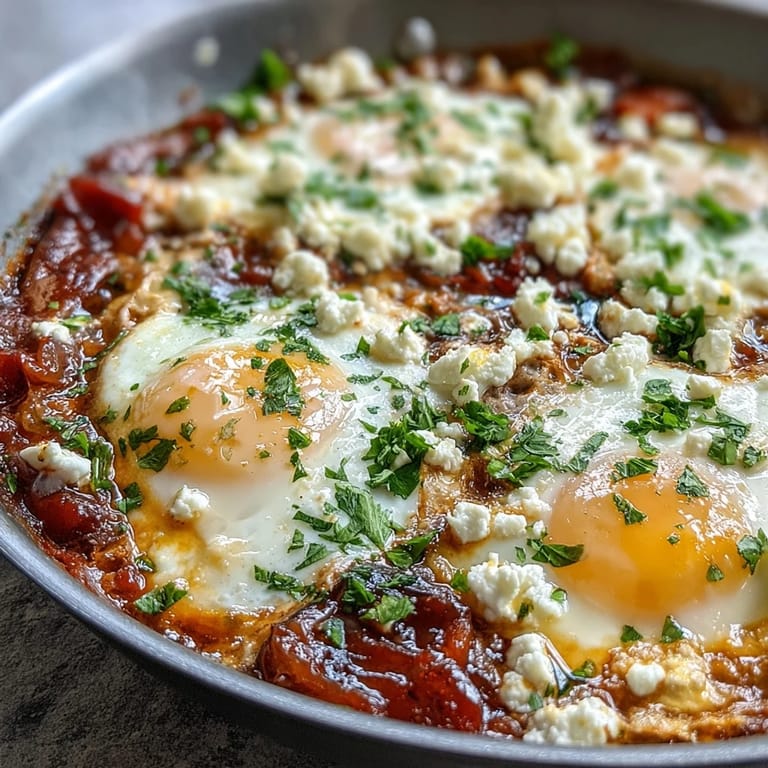
 My neighbor handed me a warm bowl of shakshuka on a cold morning, steam rising off the perfectly runny eggs nestled in that crimson sauce, and I understood immediately why this dish has survived centuries across the Mediterranean and Middle East. There's something almost meditative about watching those eggs sink into the spiced tomato bath, the way the whites turn cloudy while the yolk stays defiant and golden. I went home and made it that same afternoon, and it's been a weekend staple ever since—the kind of meal that tastes both simple and special without any fuss.
I made this for my sister when she visited last spring, and she sat at the kitchen counter dunking torn pieces of pita into that tomato sauce while telling me about her new job, completely mesmerized. The eggs were still bubbling, the cilantro was dark green and fragrant, and for once nobody was rushing through breakfast. That's when I realized shakshuka isn't really about the eggs at all—it's about giving yourself permission to slow down.
Ingredients
- Olive oil: Use something you actually like tasting, not the cheapest bottle on the shelf, because it's one of only a few ingredients here.
- Onion and red bell pepper: The onion softens into sweetness while the pepper stays slightly firm and adds that bright color that makes the whole dish look alive.
- Garlic: Fresh cloves minced fine, never powder—the smell when it hits the hot oil is your signal that everything is about to taste incredible.
- Crushed tomatoes: Canned is perfectly fine and honestly more reliable than fresh ones that sometimes disappoint; look for ones without added sugar.
- Ground cumin, paprika, and coriander: These three are the backbone; they're what make it taste like shakshuka and not just eggs in tomato sauce.
- Cayenne pepper: Optional but I always add it because the heat plays beautifully with the cool yolk.
- Large eggs: The fresher the better, though I've never had a truly bad egg in this dish because the sauce does all the heavy lifting.
- Fresh parsley or cilantro: This garnish isn't just decoration—it brightens everything and adds a living freshness that makes the whole thing feel less heavy.
- Feta cheese: The salty crumbles are optional but they add a tangy note that I honestly can't imagine leaving out now.
Tired of Takeout? 🥡
Get 10 meals you can make faster than delivery arrives. Seriously.
One email. No spam. Unsubscribe anytime.
Instructions
- Warm your pan and sauté the vegetables:
- Pour olive oil into a large skillet over medium heat and let it shimmer for a moment. Add the diced onion and bell pepper, listening for that gentle sizzle, and cook for 5 to 7 minutes until they soften but still hold their shape.
- Build the aromatics:
- Stir in the minced garlic and finely chopped chili pepper, cooking just long enough to smell that intoxicating garlic aroma—usually about 1 minute. Don't let the garlic brown or it'll taste bitter.
- Create the sauce base:
- Add your crushed tomatoes, cumin, paprika, coriander, cayenne if using it, and a good pinch each of salt and pepper. Stir everything together so the spices bloom and distribute evenly through the sauce.
- Simmer until it thickens:
- Keep the heat at medium and let the sauce bubble gently uncovered for 10 to 12 minutes, stirring occasionally, until it becomes less watery and starts clinging to your spoon. This is when the flavors really deepen.
- Nest the eggs:
- Using the back of a spoon, make four shallow wells in the sauce, spacing them so the eggs won't run together. Crack an egg into each well, being careful not to break those precious yolks.
- Cook until set:
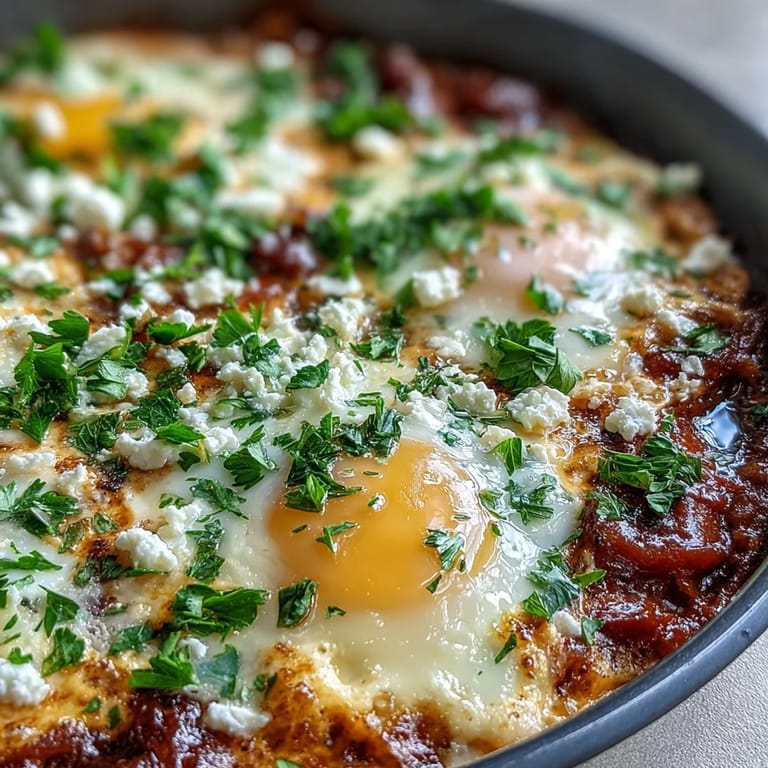
- Cover the pan and let it cook over medium heat for 6 to 8 minutes; you'll know it's ready when the egg whites have turned opaque but the yolks still jiggle slightly when you move the pan. If you prefer firmer yolks, add a few minutes more.
- Finish and serve:
- Remove from heat, scatter the fresh herbs and feta cheese over the top, and serve immediately while everything is still hot and steaming. Crusty bread or warm pita is non-negotiable for soaking up that precious sauce.
 Save to Pinterest
 There was a morning when I got impatient and tried to cook everything at once, and the eggs ended up rubbery while the sauce was still thin and acrid. I now understand that shakshuka rewards patience in a way that feels almost rebellious in our hurried world. Every subsequent attempt has been better, quieter, more nourishing.
Why This Dish Matters
Shakshuka exists across cultures because it solves a beautiful problem: how to make protein feel luxurious without fancy techniques or expensive ingredients. It's street food that tastes like home cooking, breakfast that could pass for dinner, and a dish that brings people together without pretension. The combination of spiced sauce and barely-set eggs creates something that feels both comforting and special, which is honestly the dream for any meal.
Customizing Your Shakshuka
This recipe is more of a foundation than a rigid instruction because shakshuka loves being adapted to whatever you have on hand or whatever mood you're in. I've added roasted red peppers for sweetness, stirred in chickpeas for extra protein on hungrier mornings, and experimented with different hot peppers depending on what was available. The beauty is that as long as you keep that spiced tomato sauce balanced and your eggs gently cooked, it's almost impossible to get wrong.
Serving and Pairing Ideas
Shakshuka is honestly perfect with almost any bread, but there's something about torn pita or crusty sourdough that elevates the whole experience. I've served it alongside fresh labneh, simple salads with lemon dressing, and even just a handful of olives, and each combination felt complete. The runny yolk becomes your sauce, so you really don't need much else, but a cup of strong coffee or fresh orange juice alongside makes the meal feel unhurried.
- Fresh herbs scattered on top right before serving add brightness that canned tomatoes sometimes lack.
- If you make this ahead, reheat gently and add the eggs fresh when you're ready to eat instead of storing them cooked.
- Leftovers work best eaten cold with bread the next morning, or reheated slowly in a covered pan to keep the yolks from getting too firm.
 Save to Pinterest
 Make this when you want breakfast to feel like a ritual instead of a task, and share it with someone worth slowing down for. You'll understand why this dish has been nourishing people for so long.
Recipe FAQs
- → What is the traditional way to serve shakshuka?
Shakshuka is traditionally served directly from the cooking pan, placed at the center of the table. Diners use pieces of warm pita bread or crusty bread to scoop up the sauce and eggs together. This communal style of eating enhances the dining experience.
- → How do I know when the eggs are perfectly cooked?
The eggs are ready when the whites are completely set and opaque, but the yolks still jiggle slightly when you gently shake the pan. This usually takes 6-8 minutes covered. For firmer yolks, cook an additional 2-3 minutes, though the traditional preparation prefers runny yolks.
- → Can I make shakshuka ahead of time?
The tomato sauce base can be prepared up to 2 days in advance and stored in the refrigerator. When ready to serve, reheat the sauce until bubbling, then create wells and crack in fresh eggs. The eggs should always be cooked just before serving for the best texture.
- → What can I use instead of feta cheese?
You can substitute feta with crumbled goat cheese, halloumi, or even grated Parmesan for a salty finish. For a dairy-free option, simply omit the cheese or add sliced avocado and a sprinkle of nutritional yeast before serving.
- → Is shakshuka suitable for meal prep?
The sauce reheats beautifully, but the eggs are best cooked fresh. For meal prep, store the sauce separately and reheat on the stove, then crack in eggs when ready to eat. This prevents the eggs from becoming rubbery or overcooked during reheating.