 Save to Pinterest
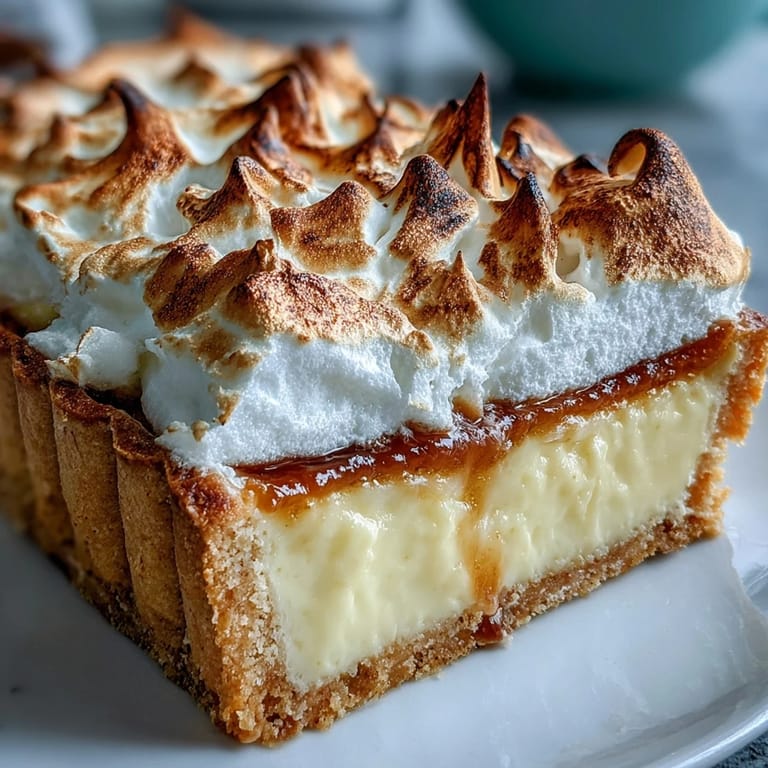
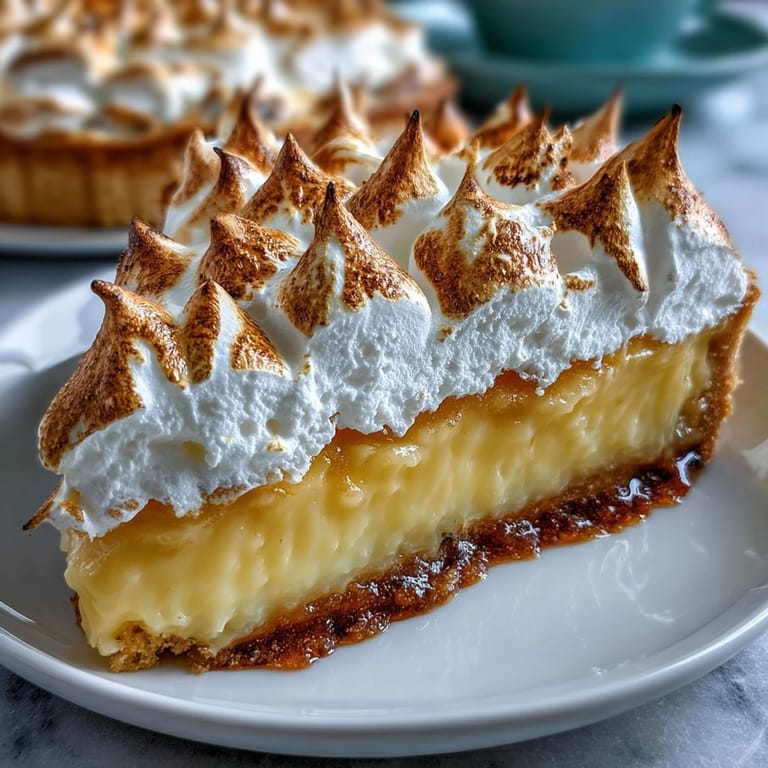
 The meringue torch incident happened on a Tuesday. I was showing off, trying to get those perfect peaks golden without the oven, and nearly singed my eyebrows. My sister laughed so hard she had to leave the kitchen. That pie still tasted incredible, though the meringue had a few battle scars. Sometimes the imperfect ones are the most memorable.
I made this for my neighbors retirement party, and three people asked for the recipe before I even sat down. One woman told me it reminded her of her grandmothers pie from the 1960s. I didnt have the heart to tell her Id only learned to make it six months earlier. The filling had set perfectly that day, and the meringue held its shape like it was posing for a magazine.
Ingredients
- All-purpose flour (1 1/4 cups): The foundation of your crust, and using cold butter with it creates those flaky layers that shatter when you bite in.
- Cold unsalted butter (1/2 cup, cubed): Keep it refrigerator cold or the crust turns tough, I learned that the hard way during a summer heatwave.
- Ice water (3 to 4 tablespoons): Add it slowly because too much makes the dough sticky and impossible to roll out neatly.
- Granulated sugar (for filling, 1 cup): Balances the sharp lemon without making it cloying, and dont skimp or your filling will pucker faces.
- Cornstarch (1/4 cup): This is what thickens the filling into that perfect custard texture instead of soupy lemon water.
- Egg yolks (4 large): They give the filling richness and that beautiful sunny yellow color that makes the pie so inviting.
- Lemon zest (2 teaspoons, finely grated): The oils in the zest add a fragrance that bottled juice simply cannot replicate.
- Freshly squeezed lemon juice (1/2 cup): Fresh is non-negotiable here, the brightness fades fast in anything pre-squeezed from a bottle.
- Egg whites (4 large, room temperature): Cold whites wont whip properly, so let them sit out for thirty minutes before you start.
- Cream of tartar (1/4 teaspoon): Stabilizes the meringue so it doesnt weep or collapse after baking, a tiny amount that does serious work.
- Pure vanilla extract (1/2 teaspoon): A whisper of vanilla in the meringue rounds out the sweetness without competing with the lemon.
Tired of Takeout? 🥡
Get 10 meals you can make faster than delivery arrives. Seriously.
One email. No spam. Unsubscribe anytime.
Instructions
- Mix the Crust Base:
- Whisk your flour, salt, and sugar in a big bowl until evenly combined. Cut in those cold butter cubes with a pastry cutter or your fingertips until the mixture looks like coarse sand with some pea-sized bits still visible.
- Form the Dough:
- Drizzle in ice water one tablespoon at a time, tossing gently with a fork until the dough just barely holds together when squeezed. Shape it into a flat disk, wrap it tight in plastic, and let it chill for at least an hour so the gluten relaxes.
- Roll and Blind Bake:
- Roll the chilled dough on a floured surface into a circle about 12 inches across, then drape it over your pie dish and press it in gently. Trim the edges, prick the bottom all over with a fork, line it with parchment, and fill with pie weights before baking at 400°F for 15 minutes, then remove the weights and bake another 8 to 10 minutes until golden.
- Cook the Lemon Filling:
- Whisk sugar, cornstarch, and salt in a saucepan, then gradually add water until smooth. Cook over medium heat, stirring constantly, until it thickens and bubbles after about 5 to 7 minutes.
- Temper the Yolks:
- Whisk your egg yolks in a separate bowl, then slowly drizzle in some of that hot mixture while whisking fast to warm the yolks without scrambling them. Pour the yolk mixture back into the saucepan and cook for 2 more minutes, stirring the whole time.
- Finish the Filling:
- Remove from heat and stir in lemon zest, lemon juice, and butter until everything melts together into a silky custard. Pour it directly into your cooled crust and smooth the top.
- Whip the Meringue:
- Beat egg whites and cream of tartar on high speed until soft peaks form, then gradually add sugar and keep beating until stiff, glossy peaks stand up straight. Beat in the vanilla at the end.
- Top and Bake:
- Spread the meringue over the warm filling, making sure it touches the crust edges all the way around to seal it. Bake at 350°F for 15 to 18 minutes until the meringue turns golden brown with toasted peaks.
- Cool and Chill:
- Let the pie cool to room temperature on the counter, then refrigerate for at least 2 hours before slicing. A chilled filling slices clean and holds its shape on the plate.
 Save to Pinterest
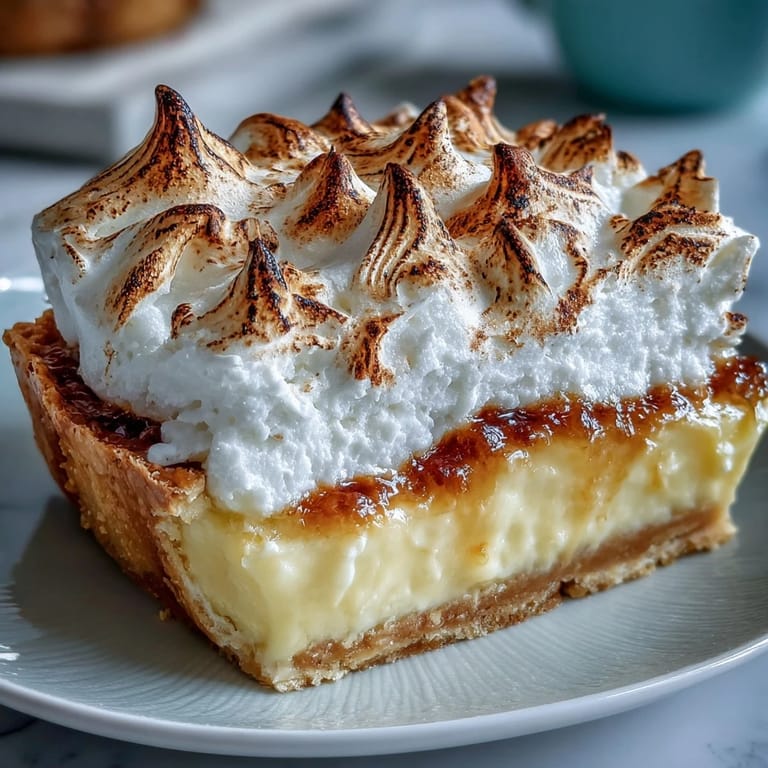
 My friend brought her kids over once, and the youngest one took a bite and said it tasted like sunshine. I still think about that. Its one of those desserts that makes people pause and close their eyes for a second. The tartness wakes you up, and the meringue feels like eating a sweet cloud.
How to Avoid a Soggy Crust
Brushing the baked crust with a thin layer of beaten egg white before adding the filling creates a moisture barrier. I started doing this after one too many pies turned soft on the bottom by the next day. Let the egg white dry for a minute in the warm crust, then pour in your filling. It makes a surprising difference, especially if you are making the pie a day ahead.
Choosing Your Lemons
Regular Eureka lemons give you that sharp, classic tang, but Meyer lemons bring a softer, almost floral sweetness if you can find them. I like to use one Meyer and two regular lemons for a middle ground. Roll your lemons on the counter with firm pressure before juicing to break up the membranes inside. You will get way more juice out of each one, and your forearms will thank you.
Storing and Serving
This pie keeps in the fridge for up to three days, though the meringue starts to weep a little after the first day. If you want to make it ahead, bake the crust and prepare the filling the day before, then whip and bake the meringue just before serving. The filling actually tastes better after it has had time to fully set overnight.
- Cover loosely with plastic wrap or a pie dome to avoid crushing the meringue.
- Serve chilled or at cool room temperature, never warm or the filling will ooze.
- A dollop of barely sweetened whipped cream on the side is optional but never regretted.
 Save to Pinterest
 Every time I pull this pie from the oven, I feel like I have created something worth celebrating. It never gets old watching someone take that first bite and smile.
Recipe FAQs
- → How do I prevent the meringue from weeping?
Spread the meringue over the warm filling and seal it completely to the crust edges. Bake immediately and avoid refrigerating until after baking. The meringue bonds better to warm filling and prevents moisture from forming underneath.
- → Can I make the crust ahead of time?
Yes, you can prepare and blind-bake the crust up to 2 days in advance. Store it covered at room temperature. You can also freeze the unbaked dough disk for up to 3 months and thaw it overnight in the refrigerator before rolling.
- → Why is my lemon filling runny?
The filling needs to reach a full boil to activate the cornstarch properly. Make sure to cook it for the full time specified, stirring constantly. The mixture should visibly thicken and bubble. Also ensure you're using the correct ratio of cornstarch to liquid.
- → What's the best way to slice this pie cleanly?
Chill the pie completely for at least 2 hours before slicing. Use a sharp knife dipped in hot water and wiped dry between each cut. This helps the knife glide through the meringue and filling without dragging or tearing.
- → Can I use bottled lemon juice instead of fresh?
Fresh lemon juice is highly recommended for the best flavor and natural brightness. Bottled juice often contains preservatives and lacks the vibrant, tangy taste that makes this dessert exceptional. The fresh zest is also essential for depth of flavor.
- → How long will this pie keep in the refrigerator?
Lemon meringue pie is best enjoyed within 2-3 days of baking. Store it loosely covered in the refrigerator. The meringue may start to weep or deflate after the first day, so it's ideal to serve within 24 hours for the best texture and appearance.