 Save to Pinterest
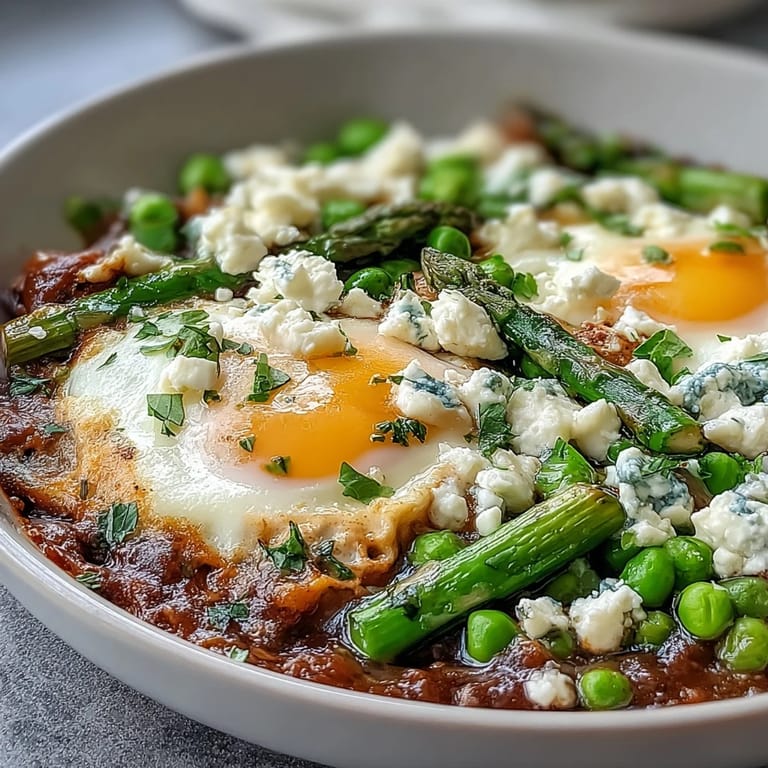
 The first time I made pea and broad bean shakshuka was during that odd transitional period between winter and spring, when the mornings still held a chill but promise hung in the air. I'd been experimenting with lighter versions of comfort food, seeking something that bridged seasons. The vibrant green against the tomato red created such a beautiful canvas in my old cast iron pan that I actually called my sister into the kitchen before cracking in the eggs. We stood there, steam rising, watching as the whites slowly set around those perfect yellow centers.
Last April, I served this shakshuka for an impromptu garden lunch when friends stopped by unexpectedly. We carried the still-sizzling pan outside, placed it on a wooden board in the center of the table, and tore pieces of crusty bread to scoop up the sauce. Someone opened a bottle of crisp white wine, and the conversation flowed as freely as the sunshine that afternoon. The meal wasn't planned, but somehow those are always the ones that create the most vivid memories.
Ingredients
- Fresh or frozen peas and broad beans: The heart and soul of this spring version, they release little bursts of sweetness against the savory backdrop of tomatoes and I've found frozen work perfectly when fresh aren't available.
- Asparagus: Adds structure and a gentle grassiness that anchors all the flavors together, just make sure not to overcook them or they'll lose their delightful snap.
- Spice blend: The cumin, smoked paprika, and coriander create a backbone of warmth without overwhelming the delicate spring vegetables.
- Eggs: The crowning glory that turns this from a side dish into a meal, with those golden yolks creating a natural sauce when broken.
- Feta cheese: That salty tang cuts through the richness perfectly, though I've used goat cheese in a pinch with equally delicious results.
Tired of Takeout? 🥡
Get 10 meals you can make faster than delivery arrives. Seriously.
One email. No spam. Unsubscribe anytime.
Instructions
- Prep your green gems:
- Blanch those peas and broad beans just until they brighten in color, then plunge them into ice water to preserve their vibrant hue. This quick bath is like pressing the pause button on their cooking journey, ensuring they'll maintain some bite in the final dish.
- Build your flavor foundation:
- As the onions and peppers soften in the pan, your kitchen will fill with that sweet aroma that signals good things are coming. When you add the spices, stand over the pan for a moment and breathe in deeply as they bloom in the heat.
- Create your tomato base:
- Watch how the bright red tomato paste deepens as it cooks with the spices, transforming into something richer and more complex. The sauce should bubble gently, not furiously, allowing the flavors to get acquainted without scorching.
- Introduce the spring stars:
- When you add the green vegetables, the color contrast against the red sauce is simply stunning. Fold them in gently, like tucking them into a warm blanket of tomato goodness.
- Create egg nests:
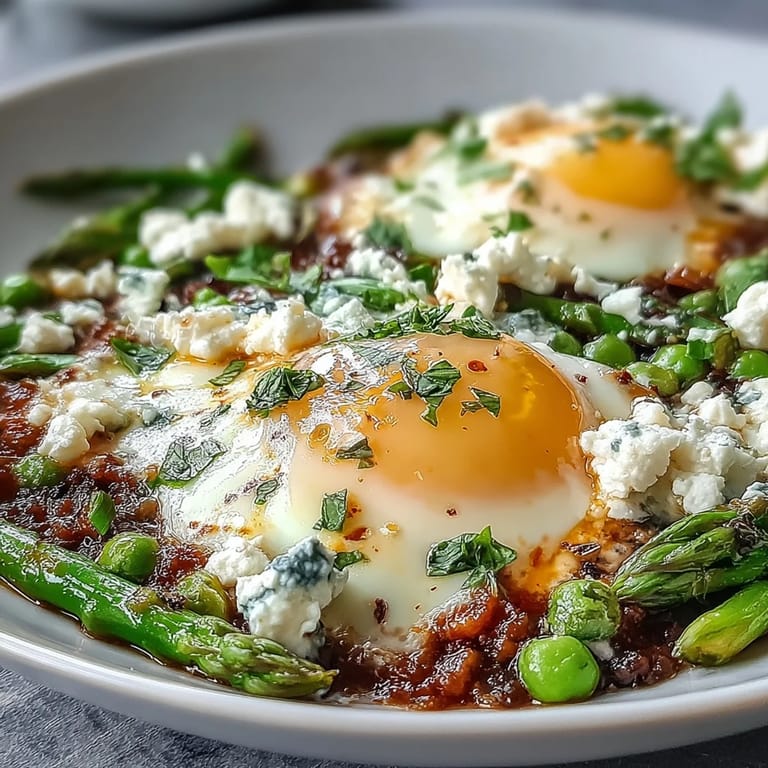
- Use the back of a spoon to make little wells for each egg, then crack them in with confidence. This is the moment where patience pays off, as you want the whites to set while leaving those yolks gloriously runny.
- Final flourish:
- The sprinkle of feta and herbs isn't just garnish, it's the finishing touch that brings everything together. I like to add the herbs just before serving so they maintain their freshness and perfume.
 Save to Pinterest
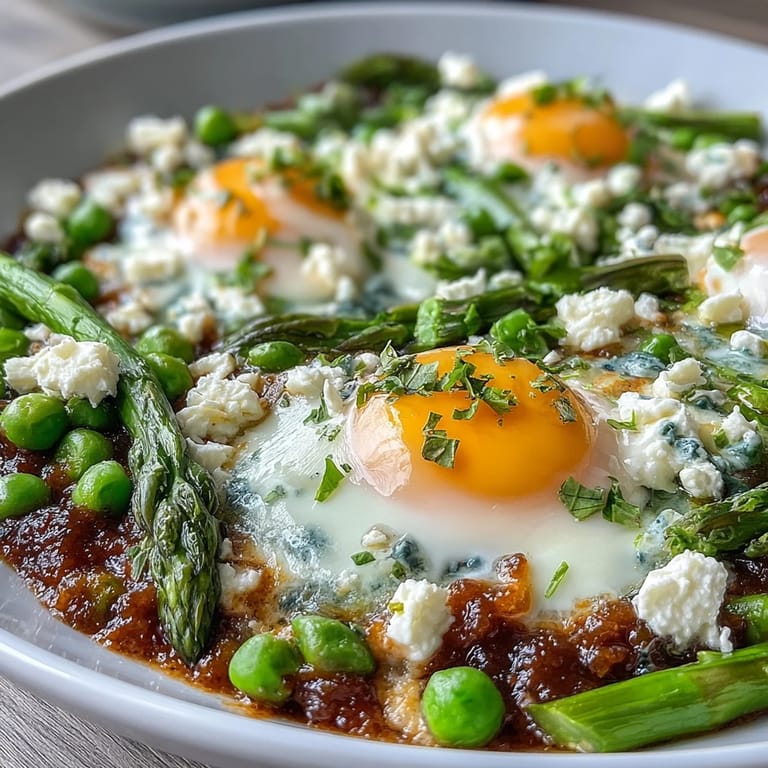
 There's something magical about the moment when everyone falls silent around the table after their first bite of this shakshuka. I remember watching my neighbor's skeptical expression transform into pure delight as he dipped bread into the sauce, egg yolk streaming down his fingers. He'd initially balked at the idea of vegetables for breakfast, but by the end was asking if there was enough for seconds. That's what I love about this dish, it gently expands people's notions about what a meal can be.
Seasonal Adaptations
I've found this recipe bends beautifully with the seasons, each iteration telling its own story. In summer, I've swapped in zucchini and cherry tomatoes, while autumn calls for roasted butternut squash and a pinch more warming spices. The winter version featuring kale and preserved lemon kept us nourished through the darkest days last year, proving that even the most spring-inspired dish can transform throughout the calendar while maintaining its soul.
Serving Suggestions
While crusty bread is the traditional companion, this shakshuka has traveled beyond breakfast in my home. I've served it over fluffy couscous for dinner, alongside a simple green salad dressed with nothing more than lemon and olive oil. Once, during a particularly ambitious weekend, I made small individual versions in ramekins for a brunch gathering, allowing each guest to garnish their own with an array of toppings from pickled red onions to toasted pine nuts.
Making It Your Own
Recipes like this one aren't meant to be prescriptive but rather starting points for your own kitchen story. The first time I made this without a recipe, following only instinct and the contents of my refrigerator, was when I truly understood its heart and soul.
- Try adding a spoonful of harissa or rose harissa to the tomato base for a gorgeous floral heat that wakes up all the flavors.
- A sprinkle of za'atar just before serving introduces a lovely lemony herbal note that complements the spring vegetables beautifully.
- For those who avoid eggs, try nestling small scoops of labneh or thick yogurt into the hot sauce instead, creating pockets of creamy coolness against the warm spiced background.
 Save to Pinterest
 This shakshuka reminds us that the most memorable dishes often come from bridging traditions with what's available right now. Whether it's breakfast, lunch, or dinner, there's something deeply satisfying about gathering around a single pan filled with the promise of nourishment and connection.
Recipe FAQs
- → Can I use frozen peas and broad beans?
Absolutely. Frozen vegetables work beautifully in this dish. Simply blanch them briefly in boiling water before adding to the tomato sauce, or add them directly during the simmering stage—no need to thaw first.
- → How do I know when the eggs are perfectly cooked?
The whites should be fully set and opaque, while the yolks remain glossy and runny when gently touched. This typically takes 7-10 minutes over low heat with the lid on. Lift the lid carefully to check—steam will escape and affect cooking time.
- → What should I serve with this shakshuka?
Crusty bread, flatbreads, or pita are essential for soaking up the rich tomato sauce and runny yolks. A crisp green salad with lemon dressing balances the flavors perfectly. For a gluten-free option, serve with gluten-free bread or enjoy on its own.
- → Can I make this dish vegan?
Yes. Simply omit the eggs and feta cheese. Add a can of drained chickpeas or white beans during the vegetable simmering stage for extra protein. The dish remains satisfying and flavorful without any dairy or eggs.
- → How spicy is this dish?
The mild heat comes from optional chili flakes and smoked paprika. For a gentler flavor, omit the chili flakes entirely. To increase the heat, add more chili flakes or serve with harissa or chili oil on the side so diners can adjust to their preference.
- → Can I prepare this in advance?
The vegetable base can be prepared up to a day ahead and stored in the refrigerator. Reheat gently before adding the eggs—this ensures the vegetables don't overcook while the eggs set. The eggs should always be cooked just before serving for best results.