 Save to Pinterest
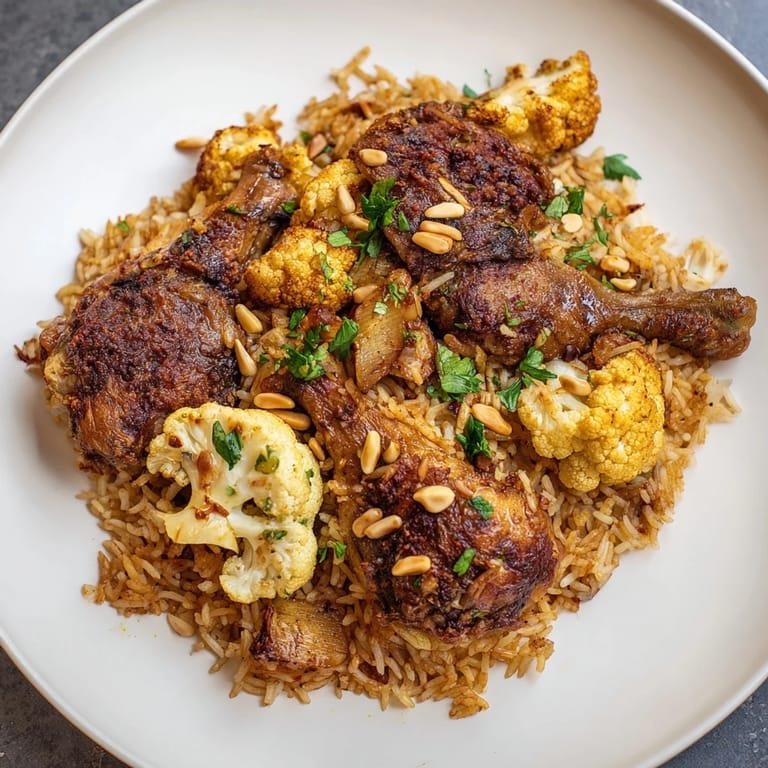
 The first time I watched maklouba being made, I was mesmerized by the drama of it all—the way my grandmother layered rice and vegetables with such precision, then confidently flipped the entire pot upside down onto a platter like she was performing magic. The golden-crusted rice emerged perfectly intact, fragrant with cinnamon and cardamom, and suddenly I understood why this dish has been feeding Palestinian families for generations. It's not just food; it's theater and comfort wrapped into one unforgettable moment.
I remember cooking this for a small dinner party on a cool autumn evening, and my friend Sarah arrived just as the aroma was filling my entire kitchen—she literally stood in the doorway inhaling deeply and said nothing else mattered until we ate. When I inverted the pot and that golden dome of rice and cauliflower emerged perfectly, she actually gasped, and suddenly the meal felt like something we'd accomplished together, not just something I'd prepared alone.
Ingredients
- Bone-in chicken pieces (1.2 kg): The bones add incredible depth to the broth and keep the meat juicy as everything cooks together; don't skip this step or use boneless chicken.
- Basmati rice (2 cups): The soaking step isn't optional—it helps each grain stay separate and absorb the spiced broth evenly throughout the pot.
- Cauliflower florets (1 large head): Frying these until they're golden gives them a nutty sweetness that contrasts beautifully with the savory rice.
- Potatoes (2 medium, sliced thin): These form the crispy foundation when you line the bottom of the pot; they become almost caramelized and absolutely addictive.
- Onion (1 large, sliced): The first thing that hits the hot oil and becomes your flavor base, so don't rush this step.
- Spice blend (cumin, coriander, cinnamon, turmeric, allspice, cardamom): This isn't a generic mix—each spice is there for a reason, creating that warmth and complexity that makes maklouba sing.
- Chicken stock or water (5 cups): Stock deepens the flavor considerably, but if you only have water, the dish still works beautifully.
Tired of Takeout? 🥡
Get 10 meals you can make faster than delivery arrives. Seriously.
One email. No spam. Unsubscribe anytime.
Instructions
- Prepare your rice:
- Rinse it under cold water until the water runs clear, then soak it in salted water for 30 minutes—this seems like a small detail, but it genuinely makes a difference in texture. Drain it well before you layer it into the pot.
- Brown the chicken:
- Heat olive oil in your large pot over medium-high heat and season each piece with salt and pepper before they hit the hot pan. Listen for that satisfying sizzle and don't move them around too much; let them develop a golden crust on each side.
- Build your flavor base:
- Remove the browned chicken and sauté your sliced onion until it's soft and translucent, then add all your spices and stir continuously for just a minute—you want them fragrant, not burnt. Return the chicken to the pot with your stock and let it simmer gently for 20 minutes; this partially cooks the chicken and infuses the broth with flavor.
- Fry your vegetables:
- While the chicken simmers, heat vegetable oil in a separate deep pan and fry your potato slices and cauliflower florets in batches until they're deep golden brown—don't crowd the pan or they'll steam instead of fry. Drain them on paper towels so they stay crispy.
- Layer with intention:
- Use a large heavy-bottomed pot and start with a single layer of those golden potato slices on the bottom—this becomes your crust. Layer the chicken pieces next, then the cauliflower, then finally the drained rice, pressing down gently so everything nestles together. Pour your reserved broth over the rice until it's just covered, about 4 to 5 cups depending on how much your rice absorbed.
- The gentle cook:
- Place the pot over medium heat and watch the edges of the pot—when you see liquid bubbling there, reduce the heat to low and cover the pot very tightly with its lid. Now comes the hardest part: don't peek, don't stir, just let it cook undisturbed for 35 to 40 minutes while the rice absorbs all that spiced broth.
- Rest before the reveal:
- Turn off the heat and let it sit covered for 10 to 15 minutes—this gives everything a moment to settle and makes the inversion smoother. Then remove the lid and take a breath before the magic happens.
- The inversion:
- Place your largest serving platter upside down directly over the pot, then grip both sides and flip decisively—hesitation is your enemy here. You should hear a gentle settling sound, and when you carefully lift the pot away, that golden dome of maklouba should be sitting perfectly on the platter, a masterpiece of layered cooking.
- Finish and serve:
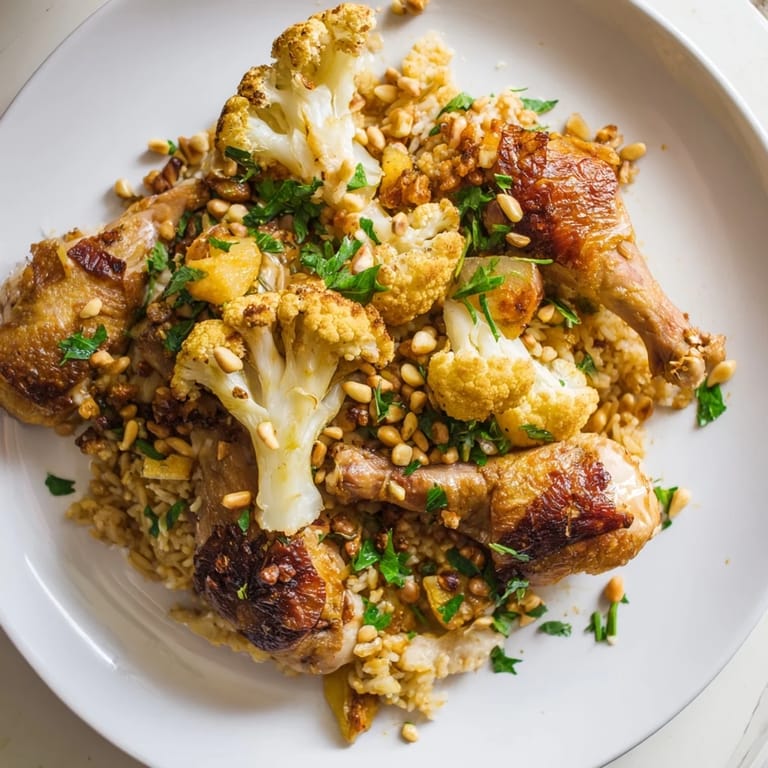
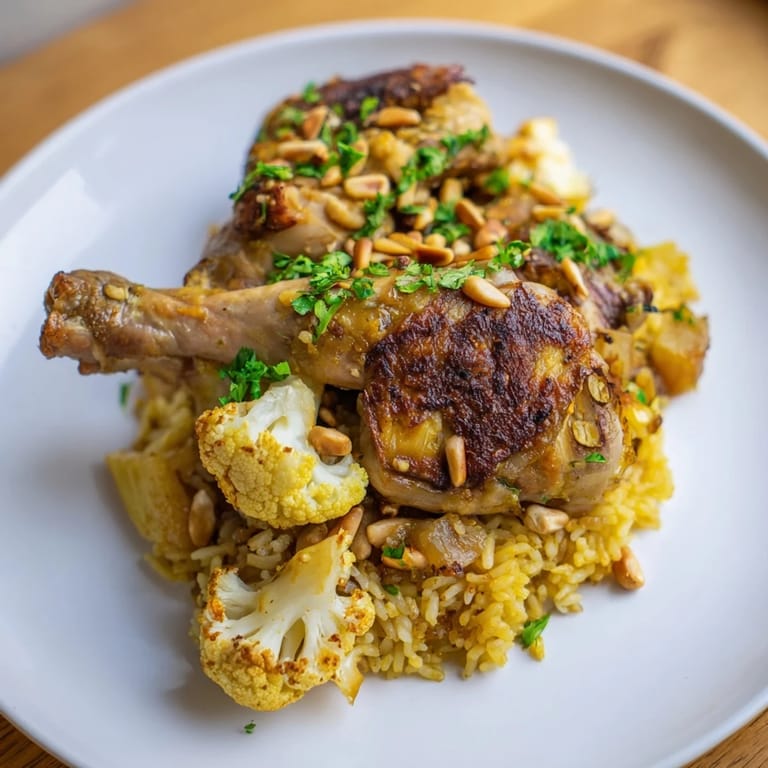
- Scatter your toasted nuts and fresh parsley over the top while it's still warm, and bring it to the table in all its glory. Serve with yogurt or a bright Arabic salad to cut through the richness.
 Save to Pinterest
 There's something almost sacred about the moment when maklouba emerges from the pot and people realize they're looking at something they've just built together with their own hands—it becomes a shared victory, not just a meal. I've seen strangers become friends over a failed inversion attempt, laughing as we scraped the rice off the bottom of the pot and reassembled it, and somehow that version tasted even better because it had a story.
The History Behind the Drama
Maklouba means "upside down" in Arabic, and the name describes both the cooking method and the philosophy behind it—taking individual ingredients and layers and trusting them to transform into something unified and beautiful. This dish has been made in Palestinian kitchens for generations, often served at celebrations and family gatherings where the inversion is itself a moment of excitement. It's peasant food elevated to an art form, the kind of cooking that doesn't require fancy equipment, just patience and confidence.
Variations and Personal Touches
While the classic version is utterly perfect, I've learned that maklouba welcomes gentle creativity without losing its soul—my neighbor adds thin slices of eggplant between the vegetables for extra depth, and I once added a small pinch of saffron to the broth on a whim and it transformed everything into something even more fragrant. You can also make a completely vegetarian version by omitting the chicken and using vegetable stock, which becomes a showstopping centerpiece at any table and tastes just as satisfying.
Serving and Storage Wisdom
Maklouba is best served hot and fresh from the platter while that crust on the bottom is still crispy and warm, though it's honestly one of those rare dishes that's also delicious at room temperature for lunch the next day. You can store leftovers in an airtight container for up to three days in the refrigerator, and reheating it gently in a covered pot over low heat brings back that warmth without drying anything out.
- Don't skip the yogurt on the side—it's not just accompaniment, it's essential balance against the richness and spices.
- If your inversion doesn't work perfectly, just scoop it onto the platter and call it deconstructed maklouba; honestly, it still tastes amazing.
- Make this dish when you have people around who will appreciate the theater of it—maklouba is meant to be shared and celebrated.
 Save to Pinterest
 Every time I make maklouba, I'm reminded that the best food comes from taking risks and trusting the process, even when you can't see what's happening under the lid. This dish has a way of bringing people together in the most genuine way—not because it's complicated, but because it's honest, fragrant, and full of intention.
Recipe FAQs
- → What spices give Maklouba its distinctive flavor?
Cumin, coriander, cinnamon, turmeric, allspice, and cardamom are key spices that create the fragrant and warm profile of the dish.
- → Can Maklouba be made vegetarian?
Yes, simply omit the chicken and use vegetable broth, while adding extra vegetables like eggplant or carrots for depth.
- → How do you achieve the classic inverted presentation?
After cooking, let the dish rest, then place a large platter on top of the pot and carefully invert it to reveal the layered dish.
- → What vegetables are typically included?
Cauliflower florets and sliced potatoes are fried and layered alongside the rice and chicken for texture and flavor.
- → What garnish enhances Maklouba?
Toasted pine nuts or slivered almonds and chopped fresh parsley add crunch and freshness to the finished dish.