 Save to Pinterest
 The first time I encountered Omani Shuwa, it was the aroma that stopped me mid-conversation—wave after wave of cardamom, cinnamon, and something deeper, earthier, that made everyone in the kitchen pause. A friend's grandmother unwrapped banana leaves from a roasting pan like she was revealing treasure, and the steam that rose carried stories of patience and spice blended in ways I'd never imagined. That moment taught me that some dishes aren't just cooked; they're performed, each layer of flavor building on the last. Now, whenever I make this at home, I'm chasing that same magic—the alchemy of simple ingredients transformed by time and heat.
I made this for my sister's birthday dinner on a cold November evening, and I remember her face when she took that first bite—there was this moment of pure silence, and then she just smiled. The banana leaves created this beautiful presentation when unwrapped at the table, and it became the kind of meal people talk about months later. That's when I realized this wasn't just following a recipe; it was creating an experience.
Ingredients
- Bone-in lamb shoulder or leg (2.5 kg): The bone keeps everything moist during those long hours in the oven, and the marbling ensures the meat stays juicy. Beef or goat work beautifully too if that's what you have.
- Garlic paste (4 tbsp): Fresh is genuinely worth it here; jarred works in a pinch but fresh minced garlic mixed into a paste penetrates the meat more fully.
- Ginger paste (2 tbsp): This adds a subtle warmth that doesn't announce itself but makes you keep reaching for another bite.
- Ground coriander (2 tbsp): The backbone spice that brings everything together with an almost floral sweetness.
- Ground cumin (1.5 tbsp): Earthy and grounding, it's what makes you feel like you're tasting something ancient.
- Ground cinnamon (1 tbsp): Just enough to add complexity without making it taste like dessert.
- Ground cardamom (1 tbsp): This is the spice that stops people and makes them ask what they're tasting.
- Ground black pepper (1 tbsp): Don't skip this; it sharpens all the other spices.
- Ground cloves (2 tsp): A pinch of luxury that rounds out the whole blend.
- Paprika (2 tsp): Adds a gentle warmth and a hint of color.
- Turmeric (1 tsp): An anti-inflammatory that also brings earthy depth.
- Chili powder (2 tsp): Taste as you go; this one's personal preference territory.
- Salt (2 tsp): Start here and adjust after you taste the marinade.
- White vinegar (1/4 cup): The acid cuts through richness and helps the marinade penetrate the meat.
- Vegetable oil (1/4 cup): Carries the spices and keeps everything from drying out.
- Lemon juice (from 2 lemons): Fresh lemon makes all the difference; bottled tastes thin in comparison.
- Banana leaves (4–6 large): These aren't just for wrapping; they add a subtle flavor that makes this taste authentic. Hunt them down at Asian or Middle Eastern markets if you can.
Tired of Takeout? 🥡
Get 10 meals you can make faster than delivery arrives. Seriously.
One email. No spam. Unsubscribe anytime.
Instructions
- Mix your spice magic:
- Combine every single marinade ingredient in a large bowl, stirring until it looks like a paste with bits of garlic and ginger throughout. Take a moment to just smell it—that's your preview of what's coming.
- Score the meat:
- Using a sharp knife, make deep crosshatch cuts all over the lamb, really digging in so the marinade can reach the interior. The cuts should be maybe half an inch deep and spaced a couple inches apart.
- Massage it in:
- This is where it gets tactile and real. Rub the marinade all over the meat, really working it into those cuts you made. Don't be shy; get your hands in there.
- Let time do the work:
- Cover the bowl and refrigerate for at least 8 hours, ideally overnight or even a full day. The longer it sits, the deeper those spices travel into the meat.
- Set your oven:
- Preheat to 160°C (320°F) about 30 minutes before you're ready to cook. This low, gentle heat is what transforms tough cuts into silk.
- Wrap it up:
- Pat your banana leaves dry, then lay them overlapping to create a bed large enough to envelop the meat. Place the marinated lamb in the center and fold the leaves around it like you're tucking it into bed, then secure everything with kitchen twine or wrap tightly in food-safe foil.
- Roast low and slow:
- Place the wrapped packet in a deep roasting pan, cover with a lid or more foil, and slide it into your oven. Set a timer for 4 to 6 hours depending on your oven and the exact size of your cut. You'll know it's done when a fork slides through the meat with almost no resistance.
- The big reveal:
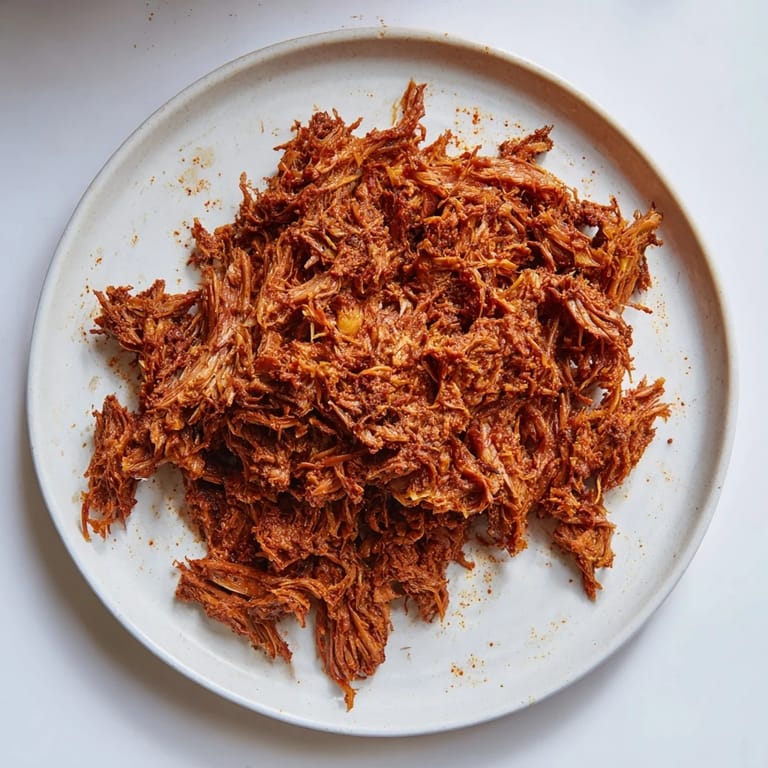
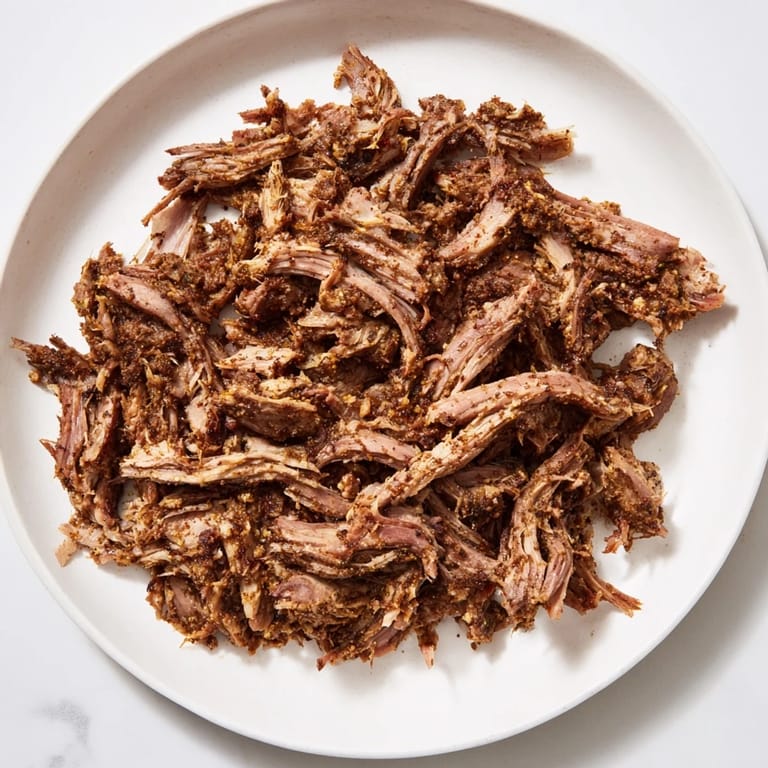
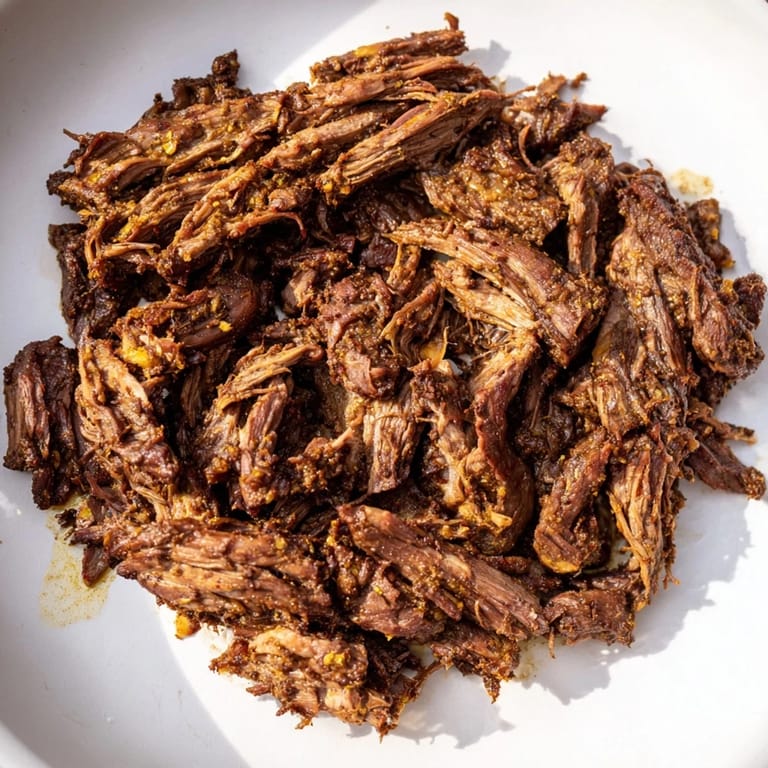
- Remove from the oven and let it rest for a few minutes before unwrapping. The steam that escapes is pure aromatherapy. Shred or carve the meat however feels right, and serve immediately.
 Save to Pinterest
 There's something almost ceremonial about unwrapping this dish at the table, watching everyone lean in as that fragrant steam rises up. It's those shared moments of anticipation that make food memorable, not just delicious.
Why This Dish Matters
Shuwa is an Omani tradition born from necessity and refined into art—originally cooked in underground sand ovens during celebrations. This home version honors that heritage while being genuinely doable in a regular kitchen. It's the kind of dish that reminds you cooking can be meditation, patience, and love all at once.
Serving and Pairing
Serve this with something mild to balance the spice intensity—fragrant jasmine rice, warm flatbread, or a simple cucumber and tomato salad work beautifully. A dollop of plain yogurt on the side is traditional and genuinely helpful for those who prefer things a little gentler. This meal feeds six generously and always prompts people to ask for the recipe.
Making It Your Own
The beauty of Shuwa is how it welcomes adjustments. If you're heat-sensitive, dial back the chili powder. If cardamom isn't your thing, use less. Some cooks add a splash of coffee or a handful of raisins soaked in warm water during the last hour of cooking. I've even seen someone grill the unwrapped meat briefly at the end for extra smokiness, which is genuinely brilliant if you're feeling adventurous.
- Make this a day or two ahead and gently reheat it—flavors deepen beautifully with rest.
- Leftover meat shreds into sandwiches or salads like it was made for that purpose.
- This freezes exceptionally well if you want to save a portion for a future dinner that needs something special.
 Save to Pinterest
 This dish has a way of becoming the meal people remember long after the table is cleared. Make it for someone you care about, and watch it become more than just dinner.
Recipe FAQs
- → What type of meat works best for Omani Shuwa?
Bone-in lamb shoulder or leg is traditional, though beef or goat can be used as alternatives depending on preference.
- → How long should the meat marinate for maximum flavor?
Marinating for 8 to 24 hours allows the spices to deeply penetrate the meat, enhancing tenderness and taste.
- → Why are banana leaves used in cooking this dish?
Banana leaves help retain moisture and impart a subtle earthy aroma to the meat during slow cooking.
- → Can I use an alternative to banana leaves?
If banana leaves are unavailable, parchment paper or heavy-duty foil can be used, though the unique flavor may be less pronounced.
- → How should the cooked meat be served?
After slow roasting, the meat can be shredded or carved and served with spiced rice, salad, or yogurt sauce.
- → Is it necessary to slow cook the meat for several hours?
Yes, the extended cooking time is essential to achieve the tender, falling-off-the-bone texture characteristic of this dish.