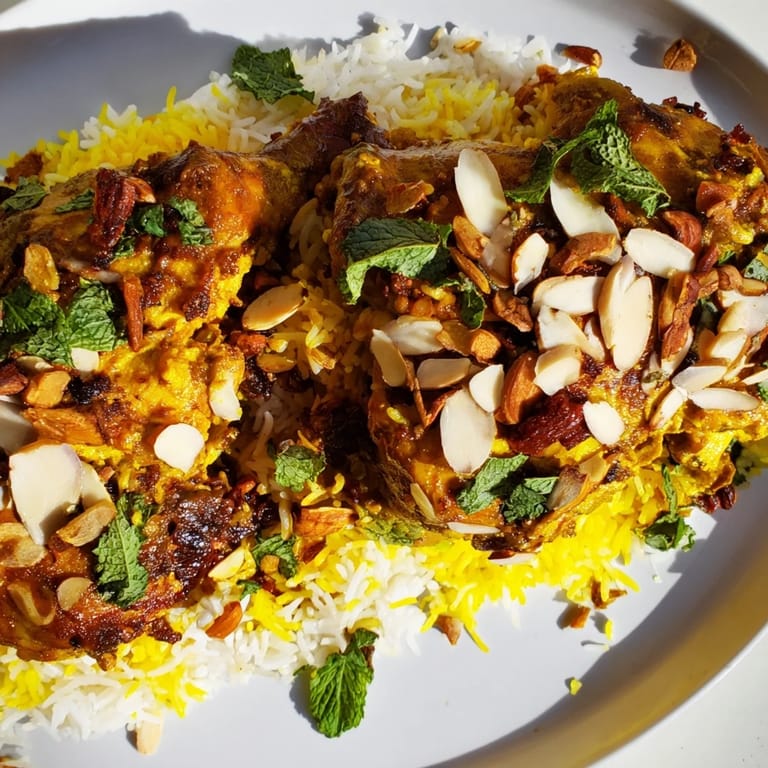
 Save to Pinterest
 The first time I truly understood biryani was in a friend's kitchen during Eid, watching her layer rice with the precision of someone building something sacred. She'd learned from her mother, who learned from hers, and there was this quiet confidence in how she moved through each step. I remember the smell hitting me before I even entered the kitchen—cardamom, cinnamon, saffron—a fragrance that seemed to announce something important was happening. That afternoon taught me that biryani isn't just dinner; it's a small ceremony you perform in your own home.
I made this for my cousin's birthday dinner, and what stuck with me wasn't just the compliments—it was watching everyone slow down to savor each bite, the way the saffron had turned each grain of rice a pale gold. There was this moment of quiet around the table, the kind that happens when food tastes like it was made with intention. That's when I realized biryani does something other dishes don't: it creates a reason to gather and actually be present.
Ingredients
- Basmati rice (3 cups): The long grains stay separate and delicate, which is why cheaper rice simply won't work here; rinse until the water runs clear to remove the starch that would make it gluey.
- Meat (900g bone-in chicken or lamb): Bone-in pieces matter because they add subtle flavor to the layers as they cook, though boneless works if that's what you have.
- Yogurt (1 cup): Plain unsweetened yogurt is essential for the marinade; it tenderizes the meat while the spices cling to it.
- Ghee or butter (5 tbsp total): Ghee carries the spice flavors in a way oil can't, and fried onions need it to become golden and crispy.
- Saffron threads (pinch): Soak in warm milk to release their color and subtle floral notes, which transform the rice visually and in flavor.
- Whole spices (cloves, cardamom, cinnamon, bay leaf): These infuse the rice with fragrance and should be toasted lightly if you have time, though boiling works fine.
- Fried onions (1/4 cup for garnish): These add the final textural contrast, a crispy sweetness that awakens each spoonful.
- Fresh herbs (coriander and mint): Tear or chop by hand just before using to keep them bright; dried herbs lose too much character here.
Tired of Takeout? 🥡
Get 10 meals you can make faster than delivery arrives. Seriously.
One email. No spam. Unsubscribe anytime.
Instructions
- Marinate the meat with intention:
- Mix yogurt with lemon juice, ginger-garlic paste, and all the ground spices in a bowl, then add your meat and coat everything thoroughly. An hour works, but overnight in the fridge lets the flavors really settle into the meat, which shows in the final taste.
- Prepare the rice properly:
- Rinse basmati rice in a fine sieve under cold running water until the water runs completely clear—this step prevents a gummy biryani. Soak for 30 minutes, then drain; this helps each grain cook evenly and stay distinct.
- Par-cook the rice with aromatics:
- Boil salted water with whole spices, add your soaked rice, and cook only until it's about 70 percent done, still slightly firm to the bite. This is the trick that separates good biryani from mushy rice; drain it while it still has a slight firmness, because it will finish cooking in the oven.
- Caramelize the onions until they're golden:
- Heat ghee in your pot over medium heat and cook sliced onions slowly, stirring occasionally, until they turn a deep golden brown—this takes 12 to 15 minutes and shouldn't be rushed. Reserve half of these for garnish, because their sweetness will be the final note your guests taste.
- Sear and partially cook the meat:
- In the same pot with the remaining onions, let the marinated meat develop a light crust for a few minutes on each side, then reduce heat and let it cook covered and gently for 20 to 25 minutes if it's chicken, or 35 to 40 for lamb, until just tender. You're not fully cooking it yet; the oven will finish the job.
- Layer the biryani like you're building something:
- Sprinkle half your herbs, raisins, and nuts over the meat, then lay half the par-cooked rice over that. Top with the remaining herbs, raisins, and nuts, then the last of the rice, creating clear layers. Pour the saffron milk over the top layer, letting it seep down, then dot with a few pats of ghee.
- Seal and bake low and slow:
- Cover the pot tightly with foil, then place the lid on top, trapping all that steam inside. Bake at 180°C (350°F) for 30 to 35 minutes; you'll hear a faint crackling sound near the end, which tells you the rice on the bottom is kissing the pot and developing those prized crispy bits.
- Rest before you serve:
- Let the pot sit undisturbed for 10 minutes after it comes out of the oven; this settling time lets everything meld and makes fluffing it much easier. Gently fluff with a fork and serve topped with those reserved caramelized onions and fried onions.
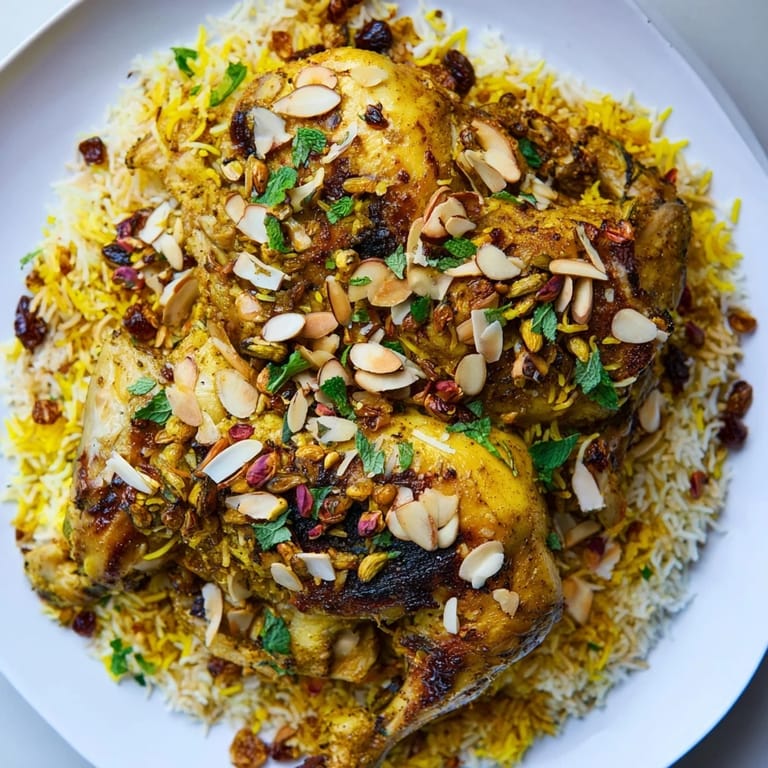 Save to Pinterest
 Years ago, I opened the pot and let out a cloud of steam that made my kitchen smell like a spice bazaar for the rest of the day. My neighbor could smell it from the hallway, and that simple thing—how a dish could be so present in a space—taught me something about cooking with real ingredients and patience.
The Spice Balance That Makes It Work
The magic of Kuwaiti biryani lives in how the spices don't compete but rather support each other—the warmth of cumin and coriander, the gentle heat from chili powder, and the complexity that garam masala brings. I once tried to improvise with different spices and made something that tasted muddled, like I was trying too hard. Since then, I've learned to trust the traditional combination, and the difference is noticeable even to guests who don't know much about cooking.
Why the Meat Choice Matters More Than You Think
Bone-in chicken pieces absorb the spices and yogurt marinade differently than boneless cuts, and the bones themselves add subtle depth to the dish as everything cooks together. Lamb is richer and requires longer cooking, but the wait is worth it for the depth of flavor it brings. I've made both, and while chicken is faster and lighter, lamb turns this dish into something more ceremonial, more intentional.
Small Moments That Changed How I Cook This
I once underestimated how much the final garnish matters, and my biryani looked pale and a little sad until I added the fried onions and reserved caramelized onions on top. The saffron-infused milk is another detail that seemed optional until I made it with and without; the difference is quiet but real, a floral sweetness that lingers. Even the choice to rest the pot for 10 minutes before serving made a tangible difference—less broken rice, better texture, easier to serve.
- Taste as you layer and adjust salt near the end, because the rice will absorb seasoning as it bakes.
- If your yogurt is extra thick, loosen the marinade with a splash of water so it coats everything evenly.
- For a vegetarian version, marinate paneer cubes or mixed vegetables the same way, and reduce the cooking time in the pot to just 10 minutes before layering.
 Save to Pinterest
 This biryani isn't about showing off; it's about taking time to do something properly and watching people respond to that care. Make this when you want a meal that feels like a small celebration.
Recipe FAQs
- → What type of meat works best for Kuwaiti biryani?
Bone-in chicken or lamb pieces are ideal for tender, flavorful results with this dish’s marination and cooking method.
- → How is the saffron used to enhance the dish?
Saffron threads are soaked in warm milk and drizzled over the rice layers to impart a subtle aroma and vibrant color.
- → Can the dish be prepared ahead of time?
Yes, marinating the meat overnight deepens the flavor, and the assembled layers can rest before baking.
- → What role do the caramelized onions play?
Caramelized onions add natural sweetness and richness, balancing the spices and enhancing texture.
- → Are there common substitutions for nuts or raisins?
Toasts nuts like almonds or cashews add crunch but can be omitted or replaced with other dried fruit or seeds if preferred.