 Save to Pinterest
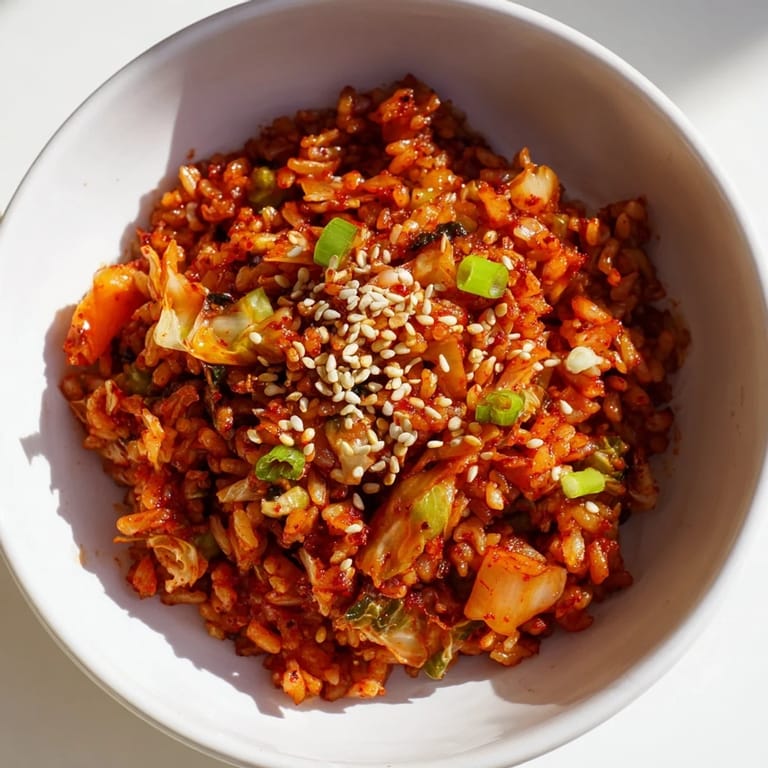
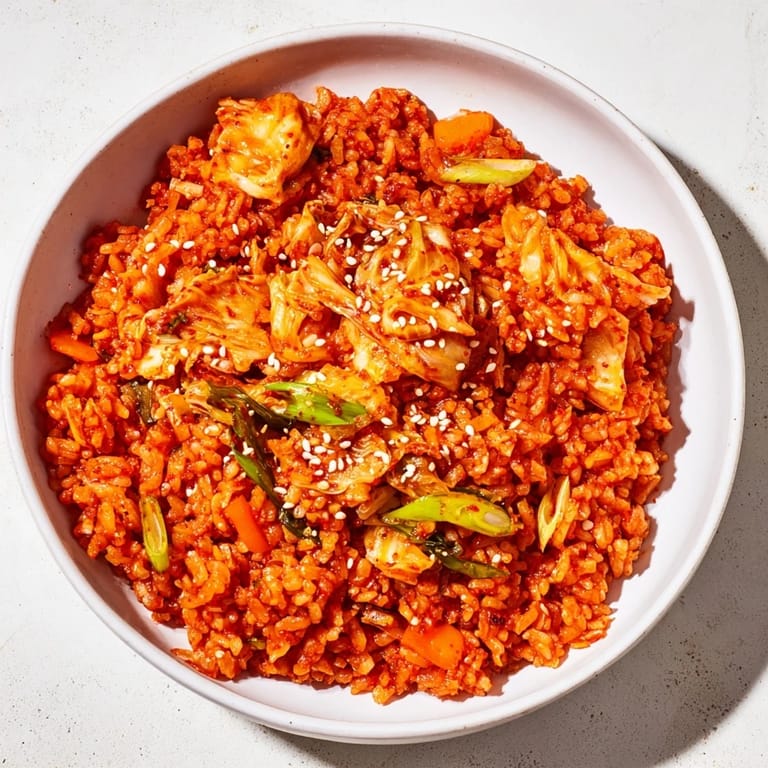
 My roommate came home one night with a plastic container of homemade kimchi from her grandmother, and I had no idea what to do with it besides eat it straight from the jar. She laughed and pulled out leftover rice from the fridge, saying we were about to make the fastest, most satisfying dinner I'd ever taste. Twenty minutes later, I was scraping my bowl clean, wondering why I'd ever bothered with boring takeout. That tangy, spicy, umami-packed fried rice became my go-to whenever I needed something quick, bold, and comforting.
I started making this for friends during late-night study sessions in college, and it became the dish everyone requested when they needed comfort food that actually had some life to it. One friend who claimed she didn't like spicy food ended up eating two bowls and asking for the recipe. There's something about the way the kimchi caramelizes in the pan and the runny yolk mixes into the rice that makes people forget they were ever skeptical. It's the kind of meal that turns a regular Tuesday into something a little more exciting.
Ingredients
- Cooked short-grain rice (2 cups, preferably day-old): Day-old rice is drier and separates beautifully in the pan, giving you that perfect chewy texture instead of a mushy mess.
- Napa cabbage kimchi (1 cup chopped, plus 2 tbsp juice): This is the soul of the dish, bringing tang, heat, and funk all at once, and the juice adds an extra punch of flavor to the rice.
- Yellow onion (½ cup, finely chopped): It adds a mild sweetness that balances the acidity of the kimchi and creates a savory base.
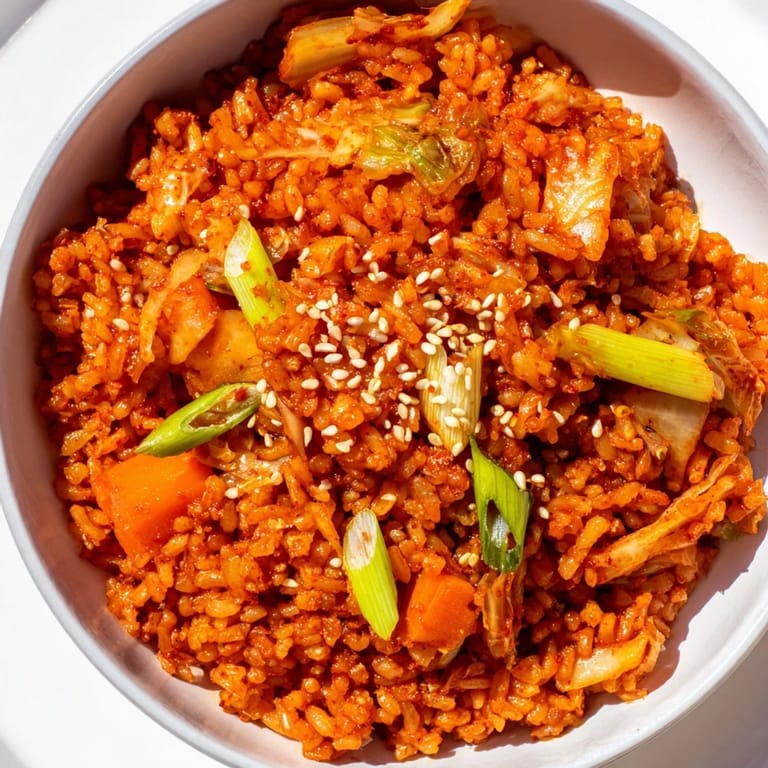
- Carrot (½ cup, diced): A bit of crunch and natural sweetness that brightens up the overall flavor without stealing the spotlight.
- Green onions (2, sliced, white and green parts separated): The white parts cook down with the aromatics, and the green tops add a fresh, sharp finish right before serving.
- Gochujang (1 tbsp): This Korean chili paste brings deep, slightly sweet heat and a rich red color that coats every grain of rice.
- Soy sauce (1 tbsp): Adds salty umami depth and ties all the flavors together without overpowering the kimchi.
- Toasted sesame oil (1 tsp): Just a drizzle at the end brings a nutty, toasted aroma that makes the whole dish smell incredible.
- Sugar (½ tsp): A tiny bit of sweetness rounds out the spice and acidity, making everything taste more balanced.
- Black pepper (⅛ tsp, freshly ground): A subtle background warmth that enhances the other flavors without competing with the gochujang.
- Vegetable oil (2 tbsp): A neutral oil with a high smoke point for stir-frying everything quickly over high heat.
- Toasted sesame seeds (1 tsp): A little crunch and visual appeal that makes each bowl feel finished and restaurant-worthy.
- Fried eggs (2, optional): The runny yolk creates a creamy sauce that mingles with the rice and takes the dish from good to unforgettable.
Tired of Takeout? 🥡
Get 10 meals you can make faster than delivery arrives. Seriously.
One email. No spam. Unsubscribe anytime.
Instructions
- Sauté the aromatics:
- Heat 1 tablespoon of vegetable oil in a large skillet or wok over medium-high heat, then add the chopped onion, carrot, and white parts of the green onion. Let them sizzle and soften for 2 to 3 minutes, stirring occasionally so they don't burn but get a little color on the edges.
- Cook the kimchi:
- Toss in the chopped kimchi and stir-fry for another 2 to 3 minutes until it smells incredible and the edges start to caramelize and darken. This step is where the magic happens, so don't rush it.
- Add the sauce:
- Stir in the gochujang, soy sauce, kimchi juice, sugar, and black pepper, cooking for about 1 minute while stirring to coat all the vegetables evenly. The pan will look glossy and smell intoxicating.
- Toss in the rice:
- Add the cooked rice and use your spatula to break up any clumps, then stir-fry everything together for 3 to 4 minutes until every grain is coated in that red, spicy goodness and heated through. Keep the heat high and keep things moving so the rice gets a little crispy in spots.
- Finish with sesame and greens:
- Drizzle the sesame oil over the rice and add the green parts of the green onion, stirring well to combine. The sesame oil should be the last thing you add so its aroma stays bright and fragrant.
- Fry the eggs (optional):
- In a separate pan, heat the remaining oil over medium heat and fry the eggs to your liking, whether that's crispy edges with a runny yolk or cooked all the way through. I like mine with barely set whites and a yolk that oozes everywhere when you break it.
- Serve:
- Divide the kimchi fried rice into bowls, top each with a fried egg if using, and sprinkle with toasted sesame seeds. Serve immediately while it's still steaming hot.
 Save to Pinterest
 I made this for my partner on a night when we were both too tired to think, and halfway through eating, he looked up and said it tasted like the kind of meal you'd crave at 2 a.m. in Seoul. Neither of us had been to Korea, but somehow that felt exactly right. It's become our shared comfort food, the thing we make when we need something that feels both exciting and like home.
Making It Your Own
This recipe is incredibly forgiving and practically begs you to improvise based on what's in your fridge. I've added cubed tofu for extra protein, tossed in leftover rotisserie chicken, and even stirred in frozen peas or edamame when I needed more vegetables. One time I used brown rice instead of white, and it gave the dish a nuttier, heartier feel that was perfect for a cold evening. You can dial the heat up or down by adjusting the gochujang and kimchi juice, and if you want it richer, add an extra drizzle of sesame oil or a pat of butter at the end.
Choosing Your Kimchi
Not all kimchi is created equal, and the brand or batch you use will change the flavor of your fried rice dramatically. I prefer napa cabbage kimchi that's been fermenting for at least a week or two, because it has more tang and funk, but if you like it milder, go for fresher kimchi. Some store-bought versions are packed with garlic and fish sauce, while others are more vegetable-forward, so taste it first and let that guide how much gochujang you add. If your kimchi is on the sweeter side, you might want to skip the sugar altogether.
Serving and Pairing Ideas
This fried rice is hearty enough to stand alone, but it also plays well with simple sides like steamed bok choy, cucumber salad, or a bowl of miso soup. I love serving it with a cold glass of barley tea or a crisp lager that cuts through the richness and heat. If you're feeding a crowd, set out extra kimchi, gochujang, and sesame seeds so everyone can customize their bowl to their own spice tolerance.
- Top with crumbled nori or furikake for an extra layer of umami and crunch.
- Serve alongside pickled radishes or a quick cucumber kimchi for a refreshing contrast.
- Pair with a fried egg, a drizzle of sriracha mayo, or a spoonful of Greek yogurt if you want to mellow the heat.
 Save to Pinterest
 There's something deeply satisfying about a dish that comes together this fast and tastes this good, especially when it uses ingredients you probably already have sitting in your fridge. I hope this becomes your go-to comfort meal, the one you make on nights when you need bold flavors and zero fuss.
Recipe FAQs
- → Can I use freshly cooked rice instead of day-old rice?
Yes, you can use freshly cooked rice, but day-old rice works better because it's drier and separates more easily when stir-fried, preventing clumping. If using fresh rice, let it cool completely and spread it on a plate for 15 minutes before cooking.
- → How do I adjust the spice level?
Control heat by adjusting the amount of gochujang and kimchi juice. Start with half the suggested amount and add more to taste. You can also reduce spice by using less gochujang and adding a touch of sugar for balance.
- → What proteins work well with this dish?
Diced tofu, cooked chicken, shrimp, or even bacon are excellent protein additions. Cook proteins separately before stir-frying, then add them with the rice to ensure proper cooking and flavor distribution.
- → Is this dish naturally vegan?
The base fried rice is vegetarian, but most traditional gochujang and kimchi contain fish or seafood products. Use vegan-certified gochujang and kimchi, omit the fried egg, and check all packaged ingredients to ensure a fully vegan meal.
- → Can I make this ahead of time?
Fried rice is best enjoyed fresh, but leftovers store well in the refrigerator for up to 3 days. Reheat gently in a skillet or wok with a splash of water to restore moisture and heat through evenly.
- → What type of kimchi should I use?
Napa cabbage kimchi (baechu kimchi) is traditional and works best for this dish. Whole or roughly chopped pieces should be finely diced before cooking. Use fermented kimchi for authentic flavor and include the flavorful juice in the sauce.