 Save to Pinterest
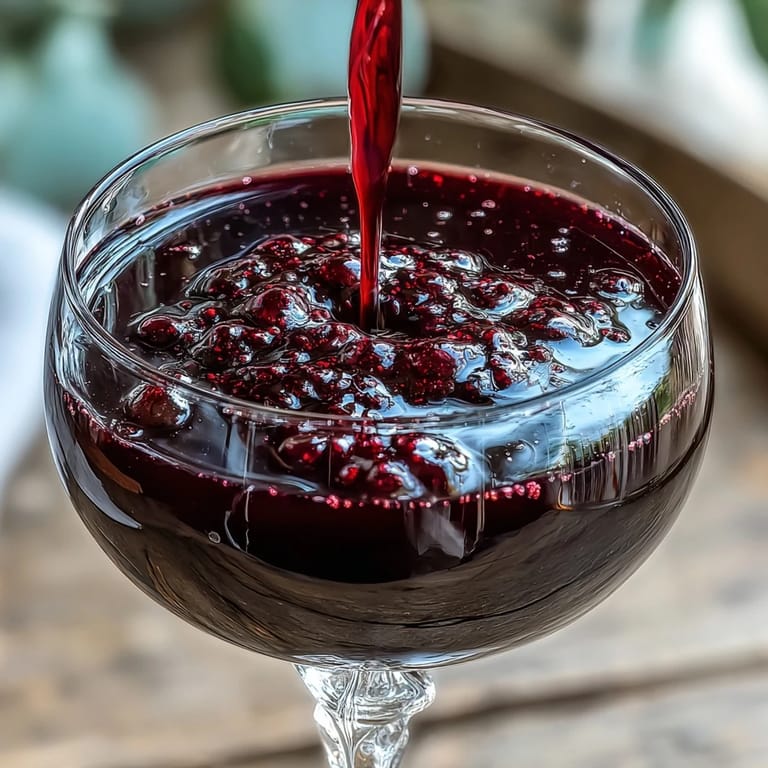
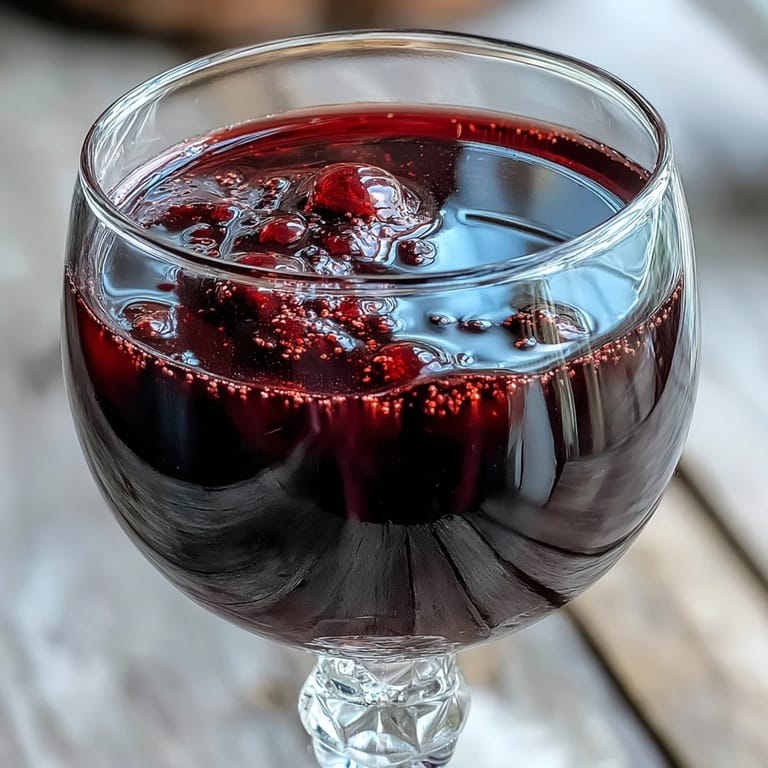
 Crème de Cassis is a classic French blackcurrant liqueur, revered for its deep ruby color and intense berry sweetness. Traditionally associated with the Burgundy region, this luxurious syrup-like spirit is a versatile addition to any home bar, providing the essential base for legendary cocktails like the Kir and Kir Royale.
Save to Pinterest The beauty of this recipe lies in the week-long maceration period, where the blackcurrants, sugar, and alcohol meld together to create a complex, concentrated flavor. By using a neutral spirit like vodka, the bright, tart notes of the blackcurrants are allowed to shine through without competition.
Ingredients
Tired of Takeout? 🥡
Get 10 meals you can make faster than delivery arrives. Seriously.
One email. No spam. Unsubscribe anytime.
- 500 g fresh blackcurrants (cleaned, stems removed)
- 500 g granulated sugar
- 700 ml vodka (or neutral spirit, 40% ABV minimum)
- 1 vanilla bean (split lengthwise) (optional)
Instructions
- Step 1
- In a large, sterilized glass jar, combine the blackcurrants and sugar. Gently crush the berries with a potato masher or wooden spoon to release their juices.
- Step 2
- Add the vodka and, if using, the split vanilla bean.
- Step 3
- Stir well, seal the jar tightly, and store in a cool, dark place.
- Step 4
- Shake or stir the jar every day for 7 days to help dissolve the sugar and infuse the flavors.
- Step 5
- After 7 days, strain the mixture through a fine mesh sieve or cheesecloth into a clean bowl, pressing the solids to extract as much liquid as possible.
- Step 6
- Filter again if a clearer liqueur is desired, then pour into sterilized bottles and seal.
- Step 7
- Store in a cool, dark place. The liqueur is ready to use immediately but improves with age.
Zusatztipps für die Zubereitung
To ensure the best results, use a large glass jar with a lid and a potato masher or wooden spoon for crushing. A fine mesh sieve or cheesecloth is essential for straining, while a funnel will help you transfer the finished liqueur into sterilized bottles without mess.
Varianten und Anpassungen
For a sweeter liqueur, increase the sugar by 50–100 g. You can also substitute the vodka with brandy if you prefer a richer, more robust flavor profile.
Serviervorschläge
Crème de Cassis can be enjoyed on its own over ice. Most famously, it is mixed with white wine to create a Kir, or with Champagne to create a Kir Royale. It also serves as a flavorful ingredient in various dessert recipes.
 Save to Pinterest
 This homemade Crème de Cassis provides approximately 90 calories and 13g of carbohydrates per 30 ml serving. Whether served in a glass of bubbly or used to macerate fruit for dessert, it brings a sophisticated touch of French tradition to your table.
Recipe FAQs
- → How long does homemade Crème de Cassis keep?
Properly stored in a cool, dark place, your homemade blackcurrant liqueur will keep for up to one year. The flavor continues to develop and improve over time, making it worth preparing in advance.
- → Can I use frozen blackcurrants instead of fresh?
Fresh blackcurrants yield the best results, but frozen berries can be used when fresh aren't available. Thaw completely before macerating and expect slightly different texture in the final liqueur.
- → What's the difference between Crème de Cassis and regular blackcurrant liqueur?
Crème de Cassis specifically refers to the traditional French style from Dijon, characterized by its rich sweetness and intense blackcurrant flavor. The cream designation indicates sugar content, not dairy.
- → Do I need special equipment for maceration?
A large glass jar with a tight seal is essential. Sterilize all equipment before use to prevent contamination. A potato masher helps release juices from the berries initially.
- → Can I substitute the vodka with other spirits?
Brandy creates a richer, more complex finish while vodka provides a neutral base that lets the blackcurrant shine. Choose high-quality spirits at least 40% ABV for proper extraction.
- → Why strain twice during the process?
The first straining removes solids, while a second filtration through cheesecloth or fine mesh ensures crystal clarity. Double-straining produces the smooth, professional appearance of commercial liqueurs.